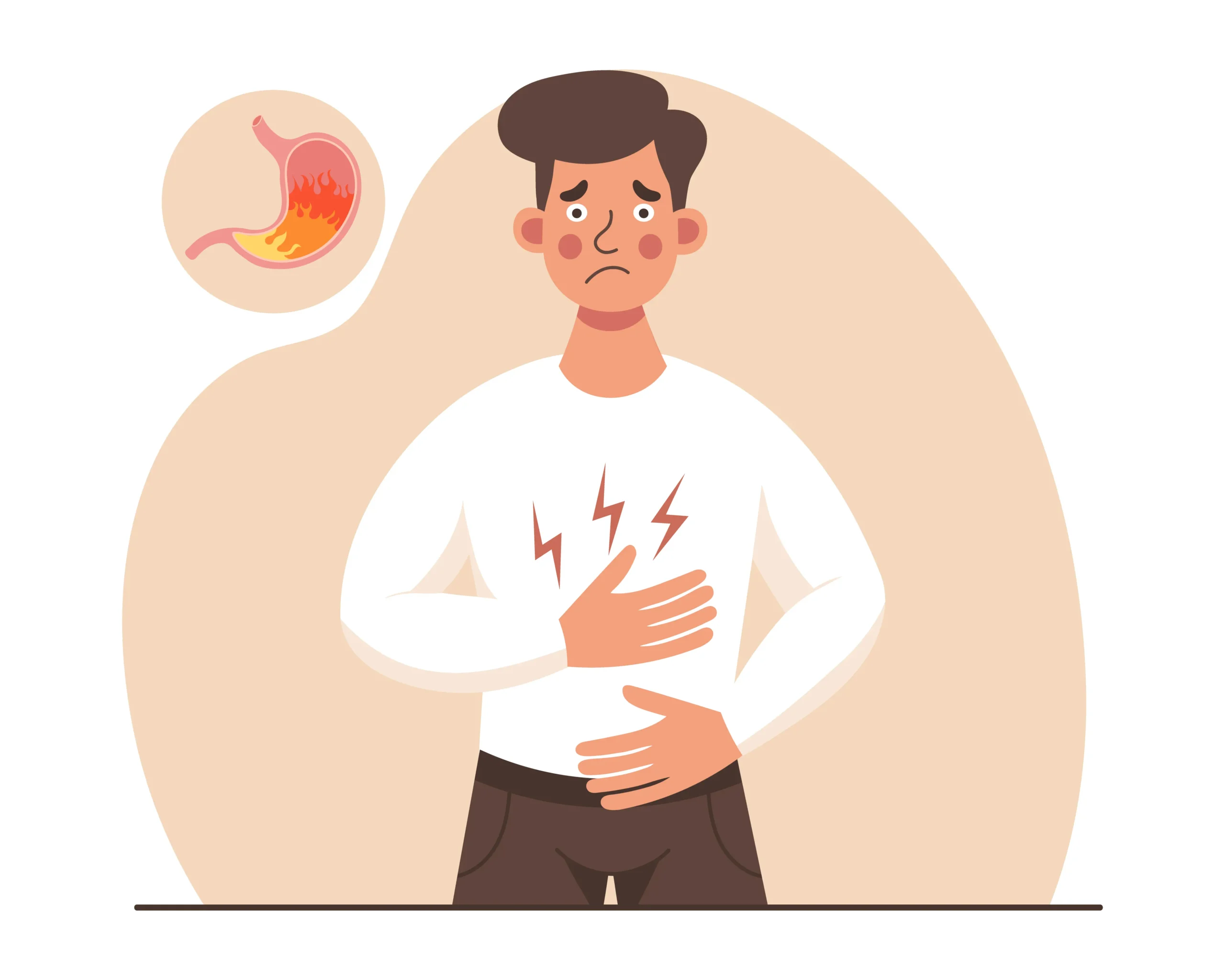
Nobody wants to talk about hemorrhoids. We get it. But here’s the thing: they’re affecting about 75% of people at some point in their lives, and suffering in silence (or Googling at midnight in a panic) doesn’t have to be your story. So let’s just… talk about it. Honestly, openly, and without any awkwardness.
Here at Digestive Health Services, we see patients dealing with hemorrhoids all the time. They come in embarrassed, relieved, frustrated, or all three at once. And every single time, we wish they’d come in sooner. So consider this your friendly, no-judgment guide to understanding what hemorrhoids actually are, what causes them, and most importantly, what you can do about them.
So, What Even Are Hemorrhoids?
Hemorrhoids are swollen veins in the lower rectum or around the anus. Think of them like varicose veins, but in a much less fun location. They’re incredibly common, and they happen to people of all ages, body types, and lifestyles. You’re not doing anything wrong. Sometimes your body just… does this.
There are two main types of hemorrhoids: internal hemorrhoids and external hemorrhoids, and they behave pretty differently.
Internal Hemorrhoids: The Sneaky Ones
Internal hemorrhoids develop inside the rectum. Because there aren’t many pain-sensing nerves in that area, they often don’t hurt. In fact, a lot of people don’t even know they have them until they notice a little blood on the toilet paper or in the bowl after a bowel movement. (Cue the panic. We know. But it’s usually not as scary as it looks.)
Internal hemorrhoids are graded by how far they’ve prolapsed (meaning, how much they’ve moved out of position):
- Grade I: They’re there, but they haven’t moved. No prolapse.
- Grade II: They pop out during a bowel movement but go back on their own.
- Grade III: They come out and need a little help going back in.
- Grade IV: They’ve prolapsed and won’t go back in. This is when you really want to see us.
Most internal hemorrhoids are Grade I or II, and they respond really well to simple treatments. So don’t wait until Grade IV to pick up the phone.
External Hemorrhoids: The Uncomfortable Ones
External hemorrhoids form under the skin around the outside of the anus. These ones? You’ll know about them. They can cause itching, burning, swelling, and that general feeling that sitting down is suddenly your nemesis.
When a blood clot forms inside an external hemorrhoid, it becomes what’s called a thrombosed hemorrhoid. That’s when the pain can get pretty intense, pretty fast. If you’re dealing with that level of discomfort, that’s a same-week appointment kind of situation, not a wait-and-see one.
What Causes Hemorrhoids?
A lot of things can contribute to hemorrhoids developing, and most of them are really normal, everyday factors:
- Straining during bowel movements: This is a big one. Constipation and straining put serious pressure on those veins.
- Chronic diarrhea: The opposite end of the spectrum, but equally rough on your rectal tissue.
- Sitting for long periods: Especially on the toilet. Put your phone down, folks.
- Pregnancy: Growing a human puts a lot of pressure on the pelvic region. Hemorrhoids during and after pregnancy are incredibly common.
- Low-fiber diet: Fiber keeps things moving. Without it, you’re fighting an uphill battle.
- Aging: The tissues that support those veins naturally weaken over time. It happens.
The tricky part is that hemorrhoids don’t always have one obvious cause. Sometimes it’s a combination of things building up over time. That’s why we always recommend talking through your full digestive picture when you come in.
How Are Hemorrhoids Treated?

Good news: most hemorrhoids are very treatable. Here’s how we typically approach things, starting with the simplest options first.
Lifestyle changes are often the first step. More fiber (aim for 25-35 grams a day), more water, and more movement can make a significant difference. Warm sitz baths for 10-15 minutes a few times a day can ease discomfort and reduce swelling, too.
Over-the-counter options like topical creams and suppositories can help with symptoms in the short term, though they don’t treat the root cause.
Office-based procedures are available for hemorrhoids that don’t respond to lifestyle changes. Rubber band ligation, where a small band is placed around an internal hemorrhoid to cut off its blood supply, is one of the most effective and commonly performed treatments. It sounds intense, but it’s quick, done right here in the office, and most people are surprised by how manageable it is.
Surgical options exist for more severe or persistent hemorrhoids. Hemorrhoidectomy (surgical removal) and hemorrhoid stapling are performed for Grade III and IV cases or large external hemorrhoids. These are less common, but when they’re needed, they’re very effective.
The point is: there are options. Real, effective options. And the earlier you come in, the more of those options are available to you.
When Should You See a Doctor?
Honestly? If you’re questioning it, just come in. But some clear signs it’s time to make an appointment:
- Rectal bleeding (even if you think it’s “probably just hemorrhoids,” we always want to confirm that)
- Pain that’s getting worse, not better
- A lump around the anus that’s not going away
- Symptoms that keep coming back
We want to say this clearly: rectal bleeding should always be evaluated. It’s usually hemorrhoids. But sometimes it’s not, and catching something early always beats waiting.
Ready to Feel Better? We’re Here for That.
Hemorrhoids are uncomfortable to deal with, but they’re even more uncomfortable to ignore. At Digestive Health Services, we’ve helped hundreds of patients get real relief, and we promise there’s zero judgment in our office. Just good care, real answers, and a plan that actually works for you. Don’t let discomfort ruin your day. Schedule an appointment with DHS, and let’s figure this out together. You deserve to feel comfortable in your own body, and we’re genuinely here to help make that happen.