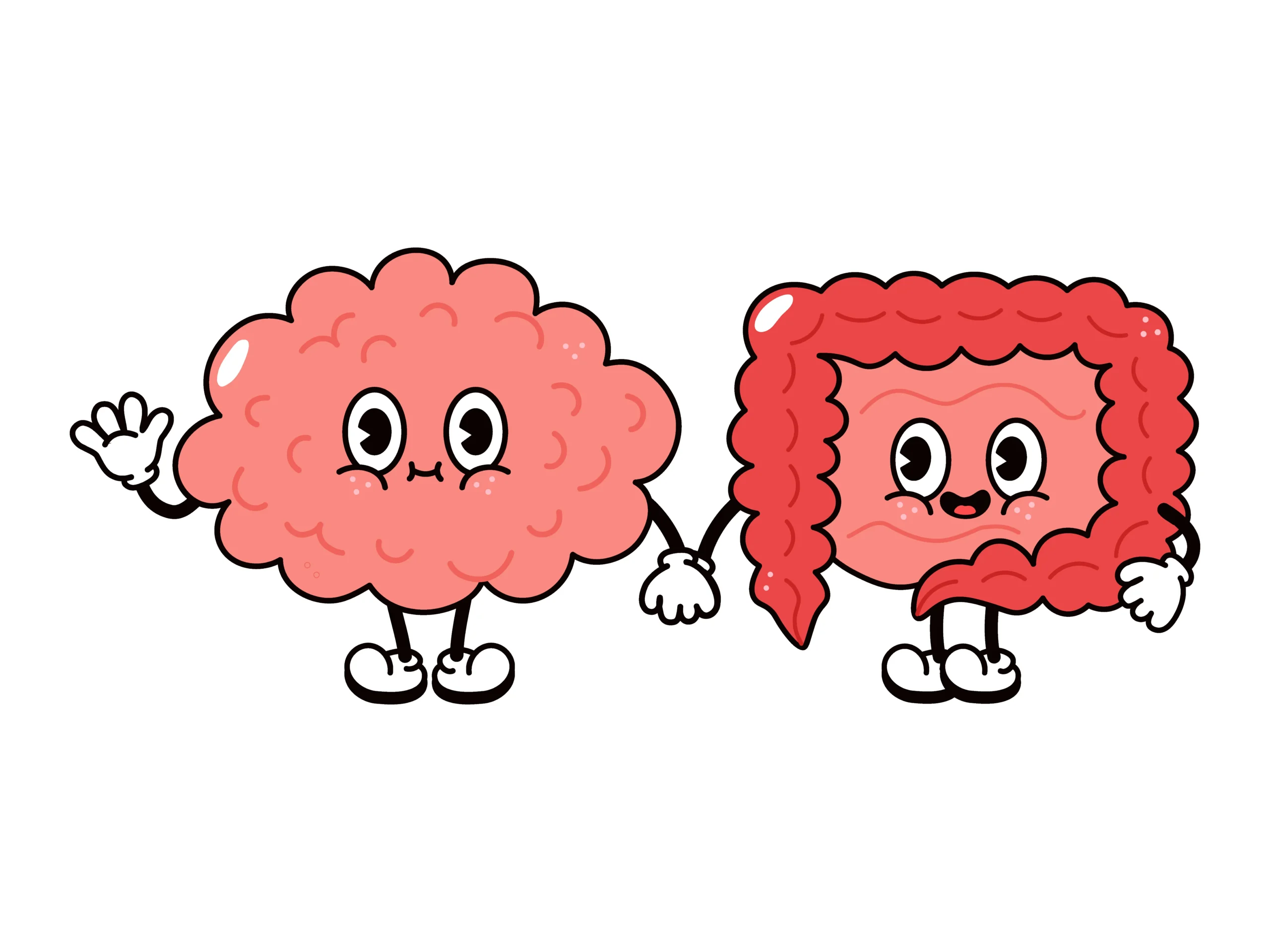
Ever had a “gut feeling” right before something good or bad happened? Or felt butterflies in your stomach before a big presentation? That’s not just a figure of speech. Your gut and brain are in constant conversation, and science now confirms what your body has been telling you all along.
This connection is called the gut-brain axis, and understanding it could be the missing piece in why you feel bloated when you’re stressed or anxious when your digestion is off.
What Is the Gut-Brain Axis, Exactly?
The gut-brain axis is the two-way communication system linking your digestive tract and your central nervous system.
Your gut sends signals to your brain through the vagus nerve, hormones, and immune messengers. Your brain sends signals right back, which is why stress can trigger stomach cramps or nausea within minutes.
This isn’t a minor bodily quirk. The gut-brain axis influences:
- Mood and emotional regulation
- Digestion and appetite
- Immune function
- Sleep quality
- Stress response
Once you understand how deeply connected these systems are, a lot of confusing symptoms start making sense.
Meet Your Second Brain: The Enteric Nervous System
Here’s something most people don’t know: your gut has its own nervous system, called the enteric nervous system. It contains over 100 million neurons, more than your spinal cord.
This is often nicknamed the “second brain,” and for good reason. It can operate independently of your central nervous system, controlling digestion even without input from your brain.
The gut-brain axis relies heavily on this second brain to regulate everything from muscle contractions in your intestines to the release of digestive enzymes. When something disrupts this system, like chronic stress or poor diet, digestive symptoms often follow.
The Role of Gut Bacteria in the Gut-Brain Axis
Your gut is home to trillions of bacteria, collectively called the gut microbiome. These microbes aren’t just along for the ride. They actively produce neurotransmitters like serotonin and GABA, chemicals that regulate mood and anxiety.
In fact, around 90 to 95 percent of your body’s serotonin is produced in the gut, not the brain. This is a major reason the gut-brain axis has become such a hot topic in mental health research.
An imbalanced microbiome, often called dysbiosis, has been linked to:
- Increased anxiety and depression symptoms
- Higher inflammation throughout the body
- Digestive issues like IBS and bloating
- Weakened immune defenses
Supporting a diverse, healthy microbiome is one of the most practical ways to support the gut-brain axis every single day.
How Stress Disrupts Gut-Brain Communication
Chronic stress doesn’t just live in your head. It physically alters gut motility, increases intestinal permeability, and changes the composition of your gut bacteria.
This is why so many people with anxiety also experience irritable bowel syndrome (IBS) and why IBS flare-ups often coincide with stressful life events. The gut-brain axis makes this connection medically real, not something patients are imagining.
If you’re dealing with unexplained digestive symptoms, our team at Digestive Health Services can help you understand what’s really happening.
Signs Your Gut-Brain Axis Might Be Out of Balance
Here are common signs your gut-brain axis may need some attention:
- Digestive issues that worsen during stressful periods
- Anxiety or low mood alongside bloating or irregular bowel movements
- Food sensitivities that seem to appear out of nowhere
- Brain fog paired with digestive discomfort
- Sleep disruptions tied to stomach issues
If several of these sound familiar, it’s worth having a conversation with a specialist rather than guessing at the cause.
Practical Ways to Support Your Gut-Brain Axis

You have more control over this system than you might think. Small, consistent changes can meaningfully improve gut-brain communication over time.
1. Eat for diversity, not restriction.
A varied diet rich in fiber, fermented foods, and plant-based nutrients feeds a wider range of beneficial bacteria than any single “superfood” ever could.
2. Prioritize fermented foods.
Yogurt, kefir, sauerkraut, and kimchi introduce beneficial bacteria directly into your gut.
3. Manage stress intentionally.
Since stress directly impacts gut function, practices like deep breathing, short walks, or even five minutes of quiet can measurably reduce digestive symptoms.
4. Move your body regularly.
Exercise has been shown to increase microbial diversity and support healthier gut-brain signaling.
5. Protect your sleep.
Poor sleep disrupts both microbiome balance and stress hormones, creating a cycle that’s hard to break.
When to See a Gastroenterologist
Lifestyle changes go a long way, but some symptoms need professional evaluation. If you’re experiencing persistent bloating, irregular bowel habits, unexplained abdominal pain, or digestive symptoms tied to anxiety or depression, it’s time to get answers rather than manage symptoms alone.
At Digestive Health Services, our board-certified gastroenterologists bring over 60 years of combined experience and have performed more than 60,000 procedures.
Recognized by U.S. News & World Report for clinical excellence, our team takes a thorough, personalized approach to diagnosing the root cause of your symptoms, not just treating what’s on the surface.
Get to know your Gut Better?
Your gut and brain are always talking to each other. The question is whether that conversation is working for you or against you.
Schedule a consultation with Digestive Health Services today, and let our experienced specialists help you get to the root of the problem.
Frequently Asked Questions
What foods boost the gut-brain axis?
Foods that support the gut-brain axis include yogurt, kefir, fermented vegetables, fiber-rich fruits, whole grains, and omega-3-rich fish. These foods nourish beneficial gut bacteria and help improve communication between the gut and brain.
What are the signs of an unhealthy gut-brain axis?
Common signs of an unhealthy gut-brain axis include bloating, constipation, diarrhea, fatigue, brain fog, and mood changes. Supporting the gut-brain axis can improve both digestive and mental well-being.
What naturally kills bad bacteria in the gut-brain axis?
Garlic, ginger, oregano, and probiotic-rich foods can naturally help reduce harmful bacteria while supporting the gut-brain axis. A balanced diet promotes healthy gut microbes without disrupting beneficial bacteria.
What are the signs of an imbalanced gut-brain axis?
An imbalanced gut-brain axis may cause digestive discomfort, frequent infections, poor sleep, anxiety, and difficulty concentrating. Restoring it with healthy nutrition and lifestyle habits can help rebalance gut health.