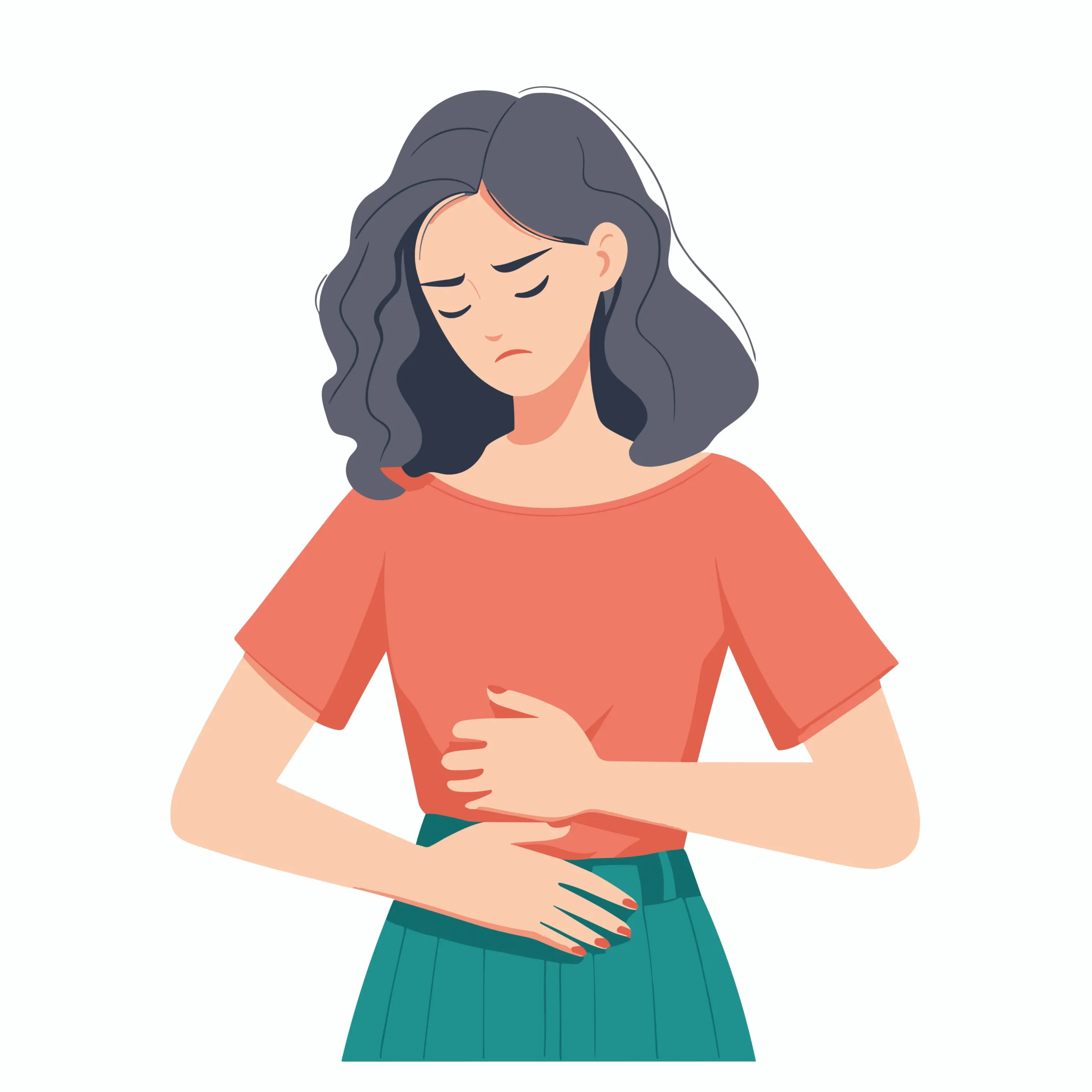
That sharp, stabbing pain in your upper right abdomen after dinner? It’s easy to brush off as indigestion. You take an antacid, wait it out, and move on until it happens again. In many cases, what’s actually happening is gallstones.
And there’s a very real, very biological reason women develop them far more often.
What Are Gallstones, Exactly?
Your gallbladder is a small, pear-shaped organ tucked just beneath your liver. Its job is to store bile, a digestive fluid the liver produces to help break down fats.
The problem starts when the substances in bile fall out of balance. Too much cholesterol, not enough bile salts, and instead of staying fluid, bile begins to harden into solid deposits called gallstones.
These stones can range from the size of a grain of sand to as large as a golf ball. Some people carry them for years without ever knowing. Others experience sudden, intense attacks when a stone shifts and blocks a bile duct.
Women between the ages of 20 and 60 are three times more likely to develop gallstones.
Estrogen: The Primary Driver of Gallstones
If there’s one factor responsible for gallstones in women, it’s estrogen.
Estrogen is the dominant female sex hormone, and it plays a powerful role in how the liver processes cholesterol.
When estrogen levels are elevated, the liver is prompted to release more cholesterol into bile. The result? Bile becomes supersaturated with cholesterol, far more likely to crystallize and form stones.
What makes this especially significant for women is that estrogen doesn’t stay at one level throughout life. It surges during puberty, climbs dramatically during pregnancy, fluctuates across the menstrual cycle, and drops during menopause.
Progesterone Makes It Worse
Estrogen doesn’t act alone. Progesterone, the other primary female hormone, adds a second layer of risk, and it works differently.
While estrogen disrupts bile composition, progesterone slows down how often the gallbladder contracts and empties itself. This reduced motility means bile sits in the gallbladder longer than it should.
This is a recognized and well-documented risk factor for gallstones, and it’s directly linked to elevated progesterone levels, which are a regular feature of the female hormonal cycle throughout the reproductive years.
Pregnancy Is a High-Risk Period
During pregnancy, both estrogen and progesterone levels rise dramatically and stay elevated for months. Combine that with the physical pressure of a growing uterus on surrounding organs, and the gallbladder is working under difficult conditions.
Studies show that gallstone formation increases significantly during pregnancy. If you’re pregnant and experiencing recurring upper abdominal pain, nausea after meals, or digestive discomfort, consult a gastroenterologist right away.
Hormonal Birth Control and HRT
It’s not just the body’s natural hormones that matter. External sources of estrogen and progesterone carry the same risks.
Oral contraceptives, particularly older, higher-dose formulations, have been associated with an increased rate of gallstone formation. Hormone replacement therapy (HRT), used by many postmenopausal women to manage symptoms like hot flashes and bone density loss, shows a similar association.
This doesn’t mean hormonal birth control or HRT are off the table. For most women, the overall benefits outweigh this particular risk. But if you already have other risk factors for gallstones, it’s a conversation worth having with your doctor before starting or continuing hormonal therapy.
Other Risk Factors to Know
Beyond hormones, several additional factors increase gallstone risk in women:
- Obesity: excess body weight is directly linked to higher cholesterol levels in the bile
- Rapid weight loss or crash dieting: losing weight too quickly causes the liver to release extra cholesterol, overwhelming the bile
- Family history: Gallstones run in families, pointing to a genetic component
- Sedentary lifestyle: physical inactivity slows digestion and bile movement
- A diet high in refined carbs and low in fiber: this combination raises cholesterol in bile and reduces the gut motility that keeps things moving
Having one or two of these doesn’t mean gallstones are inevitable. But the more risk factors present, the more closely you should pay attention to your digestive symptoms.
Symptoms Women Often Dismiss
One reason gallstones tend to go undetected longer in women is that the symptoms overlap with far more common, less serious issues, such as bloating, nausea, indigestion, and back pain. They’re easy to explain away.
Don’t ignore these signs:
- Sudden, intense pain in the upper right or center of your abdomen
- Pain that radiates to your right shoulder or between your shoulder blades
- Nausea or vomiting after fatty or heavy meals
- Recurring bloating and indigestion that keep coming back without a clear cause
- Fever or chills alongside abdominal pain
- Yellowing of the skin or eyes (jaundice)
The keyword is recurring. A single episode of indigestion is probably just that. But if these symptoms keep showing up, especially after eating, gallstones should be on your radar.
How Gallstones Are Diagnosed and Treated
The good news: gallstones are very treatable, and diagnosis is usually quick and non-invasive.
An abdominal ultrasound is the standard first-line test. It’s painless, doesn’t require radiation, and is highly effective at detecting stones.
From there, treatment depends on what your symptoms look like:
- Silent gallstones: Often monitored without intervention, many people never need treatment
- Symptomatic gallstones: Laparoscopic cholecystectomy, minimally invasive surgical removal of the gallbladder, is the gold-standard treatment. Most patients go home the same day or the next morning
- Small cholesterol stones in select patients: Medications may be used to slowly dissolve them, though this takes longer and isn’t an option for everyone
Living without a gallbladder is entirely normal. The liver continues producing bile; it just flows directly into the small intestine rather than being stored first.
5 Practical Ways to Lower Your Risk
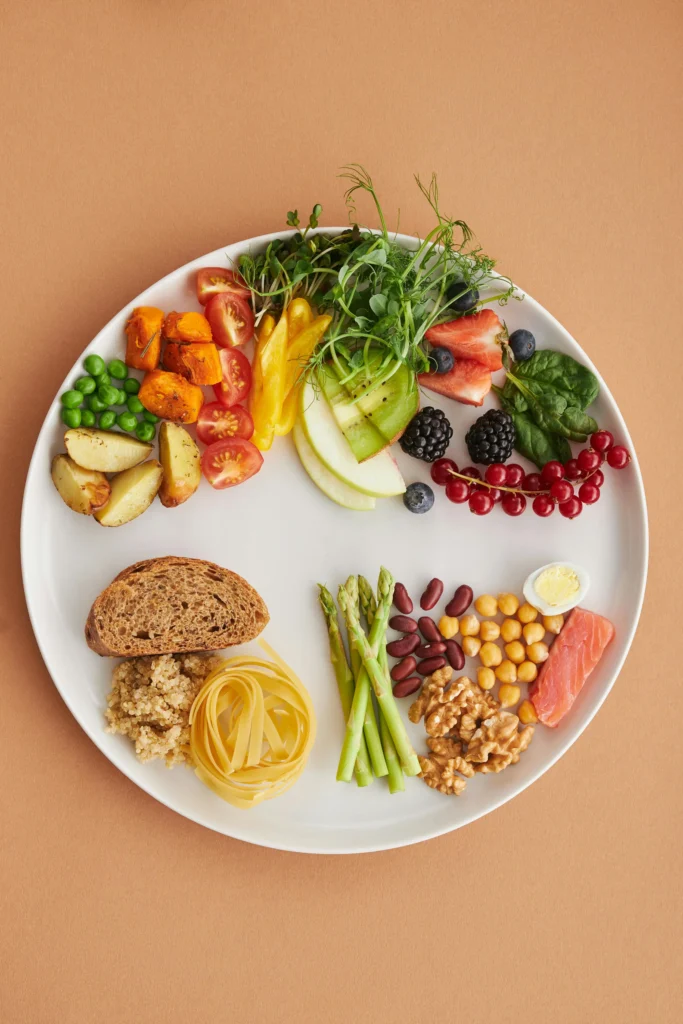
You can’t change your hormones, but lifestyle choices can meaningfully reduce your gallstone risk:
- Eat more fiber: fruits, vegetables, legumes, and whole grains help regulate cholesterol in bile
- Cut back on refined carbs and sugar: these raise bile cholesterol levels and contribute to stone formation
- Stay physically active: even 30 minutes of walking most days improves digestion and bile flow
- Eat smaller, more frequent meals: this keeps the gallbladder contracting regularly, so bile doesn’t sit and stagnate
- Stay well-hydrated: water helps keep bile from becoming overly concentrated
Small, consistent habits add up significantly over time.
Don’t Wait on Recurring Stomach Pain
If you’ve been dealing with upper abdominal pain after meals, especially if it keeps coming back, it’s time to get it looked at. Gallstones are highly treatable when caught early, and far more complicated when left alone too long.
Book your appointment with our gastroenterologists at Digestive Health Services today. We’re here to help you figure out what’s going on and get you feeling better.
Are Gallstones Common in Women?
Yes, gallstones are very common in women. Women are twice as likely as men to develop gallstones, particularly during their reproductive years.
What Causes Gallstones?
Gallstones form when bile in the gallbladder contains too much cholesterol or bilirubin, causing it to harden into stone-like deposits.
Why Are Gallstones More Common in Women?
Estrogen increases cholesterol levels in bile while progesterone slows gallbladder emptying, making women significantly more prone to developing gallstones than men.
What Are the Symptoms of Gallstones?
Gallstones often cause sudden, intense pain in the upper right abdomen, along with nausea, vomiting, and bloating, especially after eating fatty foods.