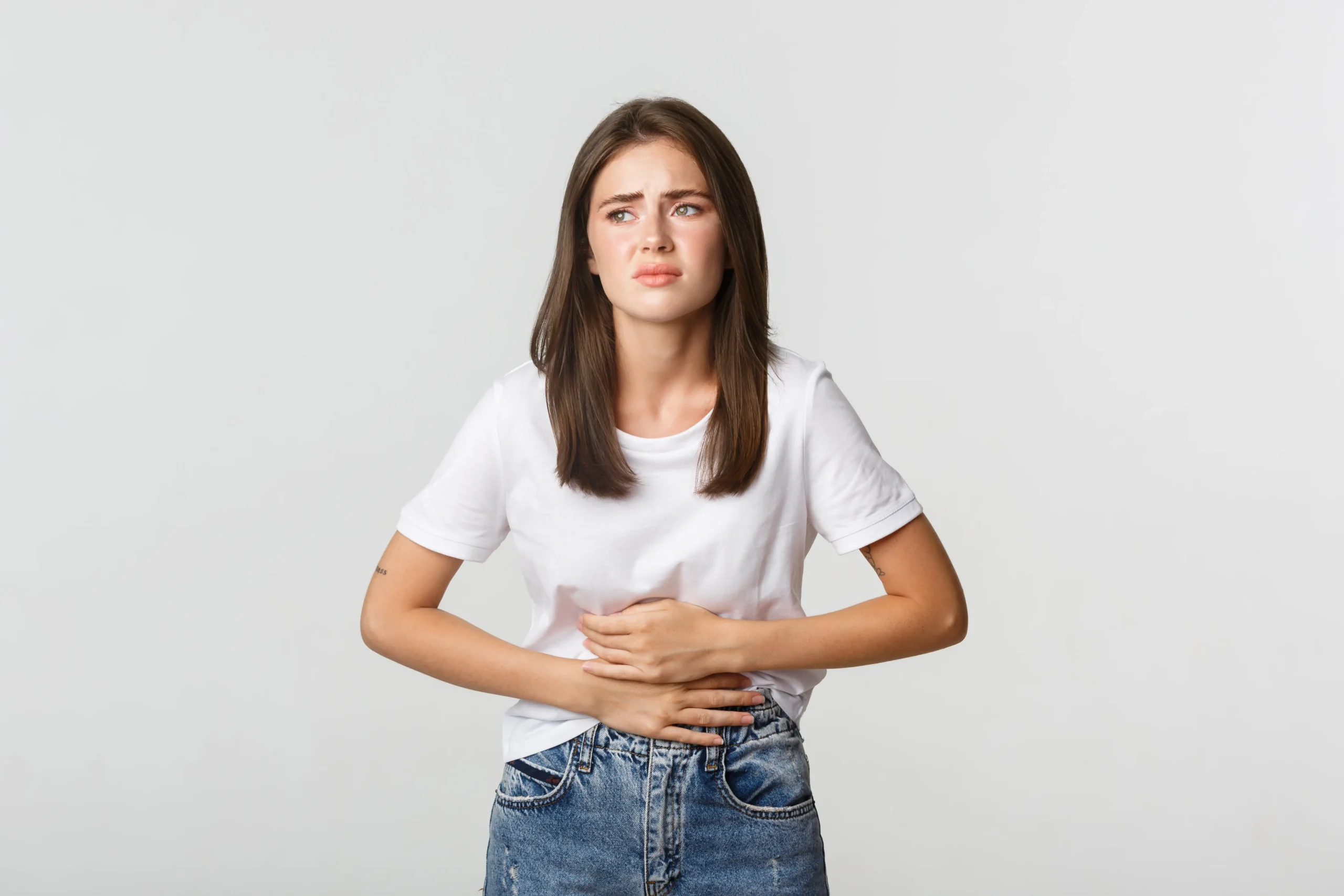
Most people don’t think about their colon until something goes wrong. But here’s a number worth pausing on: by age 60, about half of all Americans have diverticulosis, and most of them have no idea. No symptoms. No warning signs. Just small pouches quietly forming along the colon wall.
For many people, it stays that way. But for others, the progression is from diverticulosis to diverticulitis.
What Is Diverticulosis?
Diverticulosis is a condition where small, bulging pouches (called diverticula) form in the inner lining of the colon.
It’s incredibly common, especially as we age. These pouches typically develop in the lower part of the large intestine.
Here’s what makes it tricky: diverticulosis often causes no symptoms at all. Many people find out about it only during a routine colonoscopy for something else entirely.
Diverticulosis vs. Diverticulitis: What’s the Difference?
This is where a lot of people get confused; even when the names sound nearly identical, the key difference is inflammation:
- Diverticulosis: pouches exist, but are not inflamed. Often symptom-free.
- Diverticulitis: one or more of those pouches become inflamed or infected.
Think of diverticulosis as the “quiet” phase and diverticulitis as the “active” phase. Not everyone with diverticulosis will develop diverticulitis, but the risk is always there, which is why monitoring and lifestyle habits matter.
Who Gets Diverticulosis?
Age is the biggest risk factor. The condition becomes significantly more common after 40 and even more so after 60.
Other risk factors include:
- Low-fiber diet: A diet heavy in processed foods and low in fruits, vegetables, and whole grains increases pressure in the colon, which contributes to pouch formation.
- Obesity: Excess weight raises the risk of both diverticulosis and complications.
- Smoking: Linked to a higher risk of diverticulitis and slower recovery.
- Certain medications: Long-term use of NSAIDs like ibuprofen or aspirin has been associated with increased risk.
- Family history: Genetics play a role, though lifestyle factors often have more influence.
Symptoms to Watch For: Diverticulosis and Diverticulitis
As mentioned, diverticulosis is often silent. But some people do notice mild, vague digestive discomfort.
If you experience any of the following, it’s worth mentioning to your doctor:
- Mild cramping or bloating in the lower abdomen
- Occasional constipation or changes in bathroom habits
- A general sense of discomfort after eating
When diverticulosis progresses to diverticulitis, symptoms become more noticeable:
- Sharp abdominal pain, usually concentrated on the lower left side
- Fever and chills
- Nausea or vomiting
- Significant changes in bowel habits (constipation or diarrhea)
- Tenderness when pressing on the abdomen
Fiber: The Single Biggest Lifestyle Factor
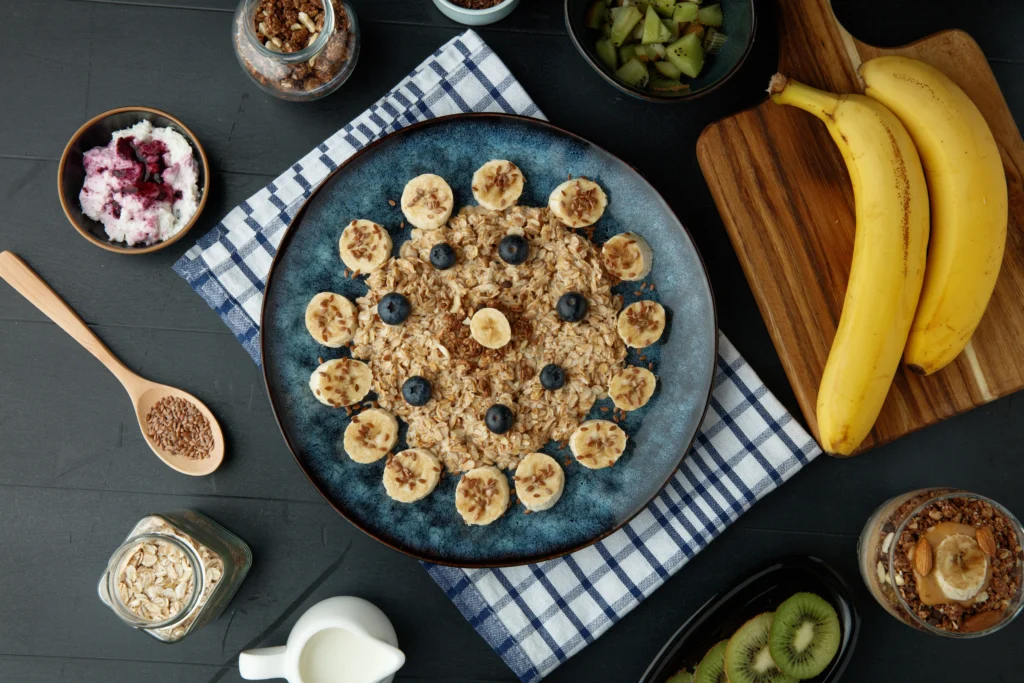
A low-fiber diet is consistently associated with higher rates of diverticulosis and diverticulitis. Here’s how to get more of it:
- Add a handful of berries or a sliced banana to breakfast
- Swap white bread for whole grain or whole wheat
- Include legumes (lentils, chickpeas, black beans) in two to three meals per week
- Snack on raw vegetables, nuts, or fruit instead of processed snacks
- Choose brown rice or quinoa over white rice
One important note: if you’re currently in a diverticulitis flare, hold off on increasing fiber until the inflammation settles. Your Gastroenterologist will guide you on when to reintroduce it.
Can Diverticulosis Be Prevented from Becoming Diverticulitis?
While there’s no guaranteed way to prevent diverticulitis, healthy daily habits can significantly reduce the likelihood of inflammation and help keep your digestive system functioning well.
Here are a few simple strategies that can support long-term colon health:
Stay physically active
Regular movement helps promote healthy bowel function and may reduce pressure inside the colon. Even moderate activities such as walking, cycling, or swimming several days a week can make a difference.
Stay well hydrated
Fiber works best when paired with enough fluids. Drinking adequate water throughout the day helps keep stools soft and easier to pass, reducing unnecessary strain during bowel movements.
Maintain a healthy body weight
Excess body weight has been associated with a higher risk of developing diverticulitis and related complications. Combining balanced nutrition with regular exercise supports overall digestive health.
Don’t ignore recurring digestive symptoms
Occasional bloating or mild abdominal discomfort may not always indicate a serious problem, but recurring symptoms deserve medical attention. Early evaluation can help identify digestive conditions before they become more complicated.
When to See a Gastroenterologist
You don’t need to be in pain to make an appointment. In fact, the best time to see a specialist is before things escalate. Consider scheduling a consultation if you:
- Are over 40 and haven’t had a colonoscopy
- Have been diagnosed with diverticulosis and want a management plan
- Experience recurring abdominal pain, bloating, or irregular bowel habits
- Have a family history of colon conditions
- Have already had one episode of diverticulitis and want to prevent another
At Digestive Health Services, our board-certified gastroenterologists provide thorough evaluations, personalized care plans, and the kind of ongoing support that makes a real difference in how you manage your colon health.
Take the Next Step for Your Gut Health
Diverticulosis is manageable. Diverticulitis is treatable. And both conditions respond well when caught early and addressed with the right care.
Book an appointment with Digestive Health Services today and get the expert, personalized guidance your gut deserves.