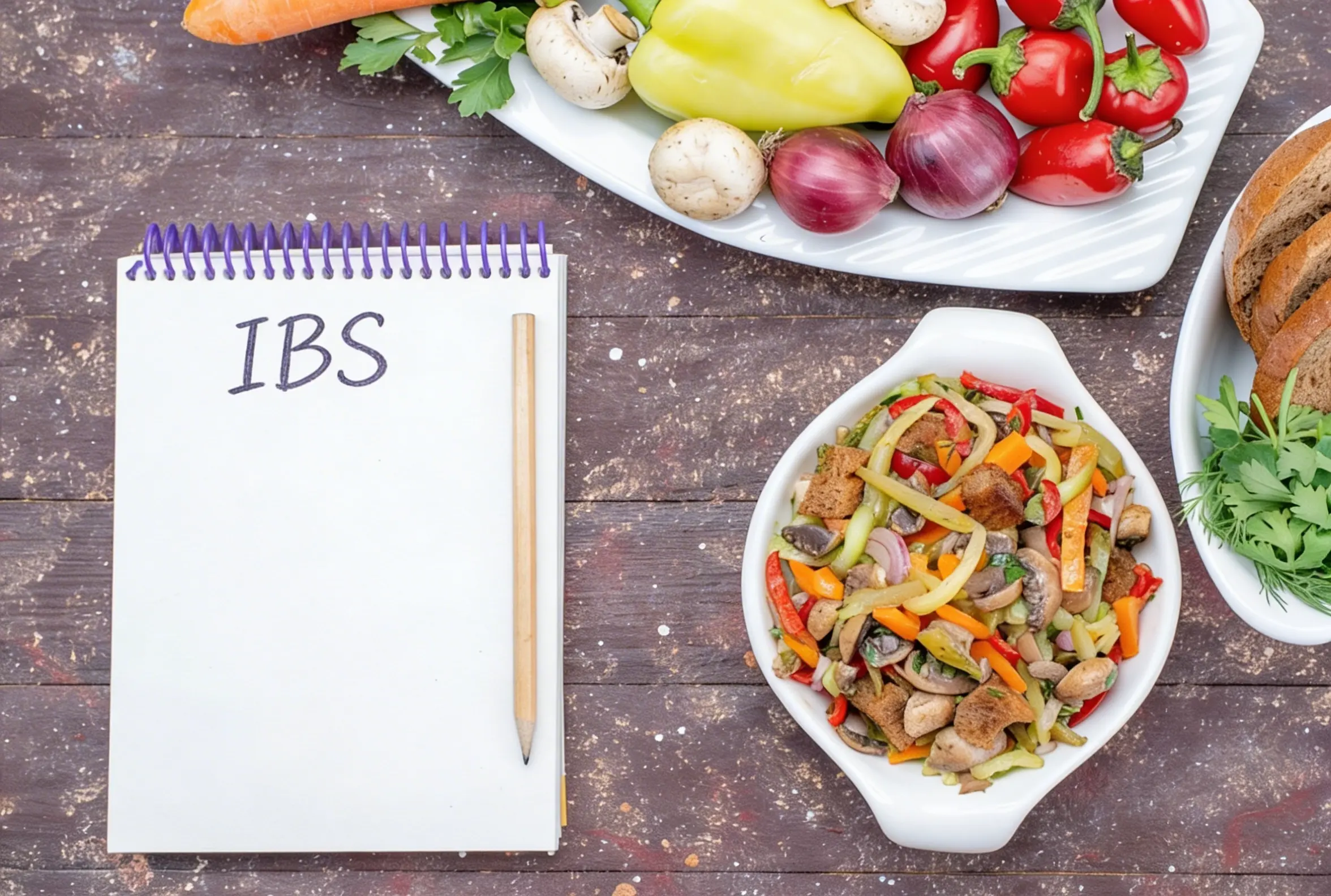
Your stomach doesn’t lie. And if you’ve been living with IBS, you already know that better than anyone. One day, you’re fine. Next, you’re doubled over after eating something that seemed completely harmless, like an apple or a bowl of garlic-heavy pasta. Sound familiar? You’re not imagining things. There’s actually a real, science-backed reason your gut reacts the way it does, and it has everything to do with something called FODMAPs.
So… What Even Are FODMAPs?
Let’s break it down without the textbook lecture. FODMAP stands for Fermentable Oligosaccharides, Disaccharides, Monosaccharides, and Polyols. Yes, that’s a mouthful, literally. These are short-chain carbohydrates that your small intestine has trouble absorbing. Instead of being digested properly, they travel to your large intestine, where gut bacteria ferment them. That fermentation process? That’s what causes the bloating, gas, cramping, and unpredictable bathroom runs that IBS is so well known for.
It’s not a weakness. It’s not “just stress.” It’s biology.
Why Garlic and Onions Are Public Enemy Number One
Here’s something that surprises a lot of people: garlic and onions are two of the highest-FODMAP foods out there. And they’re in everything. Soups, sauces, salad dressings, and restaurant meals. If you have IBS, these two ingredients are sneaky little troublemakers hiding in plain sight.
Fructans, the specific type of FODMAP found in garlic and onions, are particularly brutal for sensitive guts. Even small amounts can set off a full-blown flare. If you’ve ever eaten what felt like a “safe” meal and still ended up in pain, check the ingredient list. Garlic powder and onion powder count too, by the way. Don’t let the “powder” part fool you.
The High-FODMAP Foods Worth Knowing
Not every trigger food is obvious. Some of the biggest culprits include:
- Wheat and rye: yes, this means most bread, pasta, and cereals
- Dairy products: with lactose, milk, soft cheeses, and ice cream
- Legumes: beans, lentils, chickpeas (we know, the gut-healthy foods aren’t always gut-friendly for everyone)
- Certain fruits: apples, pears, mangoes, watermelon, and cherries
- Sweeteners: sorbitol, mannitol, xylitol (found in sugar-free gum and “diet” products)
It’s a lot to take in. And honestly, the first time most people see this list, the reaction is somewhere between shock and mild grief. Apples? Mangoes? It feels unfair. But knowing your triggers is the first step to actually managing them, and that’s where things start to get better.
Low-FODMAP Foods That Actually Taste Good
Here’s the good news, because there is plenty of it. A low-FODMAP diet doesn’t mean flavorless, boring meals for the rest of your life. Far from it.
Some of the best low-FODMAP options include:
- Eggs, chicken, fish, and tofu: great protein sources that are generally well-tolerated
- Lactose-free dairy: all the creaminess, none of the cramping
- Rice, oats, and quinoa: filling, versatile, and gut-friendly
- Strawberries, blueberries, oranges, and grapes: fruit isn’t off the table entirely
- Spinach, carrots, zucchini, and bell peppers: a solid vegetable base for meals
- Garlic-infused oil: the flavor of garlic without the fructans (this one’s a game-changer, trust us)
Yes, garlic-infused oil is a real thing, and it’s delicious. The fructans in garlic don’t leach into oil, so you get the taste without the gut drama. Consider it one of the better discoveries to come out of the low-FODMAP world.
The Low-FODMAP Diet Isn’t Forever
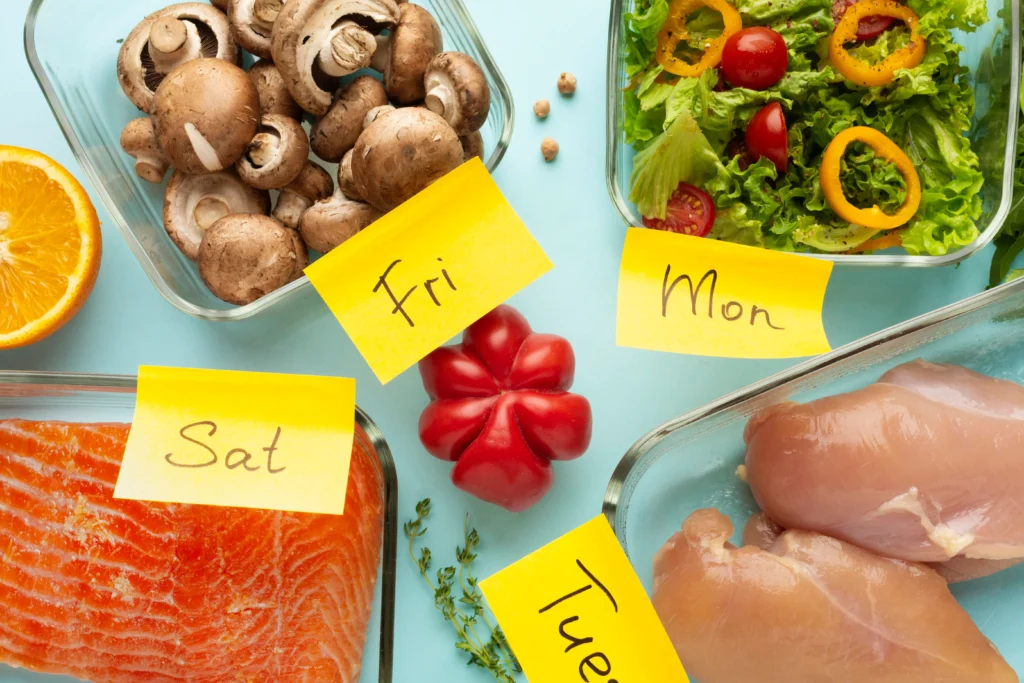
This is a really important point that often gets lost. The low-FODMAP diet is designed to be a temporary elimination phase, not a lifetime sentence. The goal is to calm your gut, identify which specific foods are actually triggering your IBS symptoms, and then systematically reintroduce foods to determine your personal threshold.
Because here’s the thing, not everyone with IBS reacts to the same FODMAPs. One person might be fine with lactose but completely devastated by fructans. Another might tolerate small amounts of high-FODMAP foods without any issue at all. Everyone’s gut has its own personality. The elimination-and-reintroduction process helps you understand yours.
Why You Shouldn’t Do This Alone
As tempting as it is to just Google a FODMAP list and go it alone, the low-FODMAP diet is genuinely complex. Done incorrectly, it can lead to nutritional gaps or unnecessary food restrictions that make your quality of life harder without actually giving you useful answers.
Working with a specialist matters. A gastroenterologist or a registered dietitian familiar with IBS can guide you through the elimination phase properly, help you track symptoms accurately, and make sure the reintroduction phase gives you real, actionable information. It’s not about following a generic plan. It’s about building one that works for your gut, your lifestyle, and your triggers.
Your Gut Deserves Real Answers
Living with IBS can feel isolating and exhausting. The constant second-guessing of every meal, the anxiety before eating out, the way it quietly shapes your daily decisions, it takes a toll. But understanding the FODMAP connection means you’re no longer just reacting to symptoms. You’re getting ahead of them.
That’s a big deal. And you don’t have to figure it all out on your own.
Ready to Stop Guessing and Start Feeling Better?
At DHS, we work with patients every day who are tired of managing IBS without real answers. Our team can help you identify your specific triggers, guide you through a personalized low-FODMAP plan, and build a long-term strategy that actually fits your life.
Book your appointment with us today, because you deserve to eat without doing mental math every single time.