That glass of wine with dinner feels harmless. The weekend beers with friends, totally normal. But if your gut health has been off lately, the bloating, the irregular digestion, the discomfort you keep brushing off, alcohol might have more to do with it than you think.
And April is Alcohol Awareness Month, so there’s no better time to have this conversation, honestly.
We’re not here to lecture you. We’re not going to tell you that one drink is going to ruin your life. But we do think you deserve to know what alcohol is actually doing inside your gut, because most people genuinely don’t.
Your Gut Is More Vulnerable Than You Think
Here’s something that surprises a lot of people. Your gut isn’t just a digestive tube that processes food and moves on. It’s a complex, living ecosystem, home to trillions of bacteria that influence everything from how you digest food to how you feel emotionally. Scientists actually call it the “second brain,” and that’s not an exaggeration.
When alcohol enters the picture regularly, it doesn’t just pass through politely. It disrupts that ecosystem in ways that build up quietly over time. And that’s the part most people miss:
- It’s not always dramatic.
- It’s slow. Gradual.
- And incredibly easy to explain away as stress, a bad week, or just “getting older.”
Sound familiar? Keep reading.
What Alcohol Actually Does to Your Gut
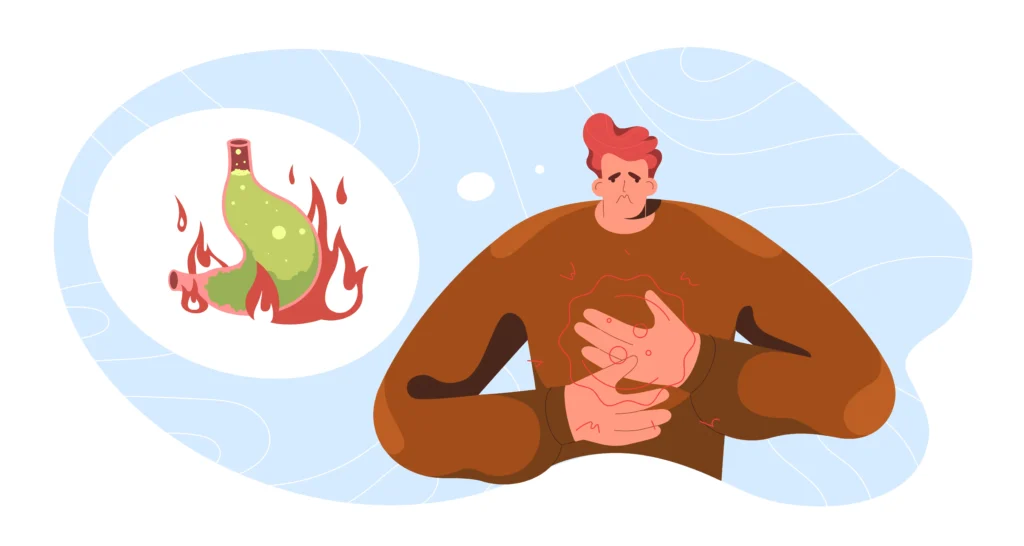
Let’s get into it, because this is where it gets real. Here’s what’s actually happening inside your body every time alcohol is part of the picture:
- It irritates your gut lining. Even moderate drinking can trigger inflammation in the stomach and intestines. Over time, this can lead to something called intestinal permeability, or “leaky gut,” where things that shouldn’t enter your bloodstream start to. Your immune system notices, even if you don’t right away.
- It throws off your microbiome balance. Your gut health depends on a healthy ratio of good to bad bacteria. Alcohol feeds the harmful ones and suppresses the good ones. The result is bloating, gas, irregular bowel movements, and that frustrating feeling of just being “off.”
- It messes with gut motility. That’s the speed at which things move through your digestive system. Alcohol can speed things up (hello, urgent morning bathroom trips) or slow things down completely. Neither is great for your gut health, and neither feels great either.
None of this is meant to scare you. It’s just worth knowing.
The “But I Only Drink on Weekends” Conversation
We hear this a lot, and honestly, we get it. Most of us grew up believing that moderate or occasional drinking is completely harmless. And for a lot of people, an occasional drink isn’t going to permanently wreck their gut health.
But here’s where it gets a little more nuanced:
- “Occasional” means very different things to different people.
- For someone whose gut health is already compromised, whether from IBS, acid reflux, or a history of digestive issues, even moderate alcohol can tip the balance.
- Your gut doesn’t fully reset between Friday night and Monday morning, as much as we’d all like it to.
If you’ve been dealing with persistent bloating, unpredictable digestion, or discomfort that comes and goes, it’s worth asking whether your drinking habits are playing a role. Not with guilt. Just out of curiosity.
Signs Alcohol May Be Affecting Your Gut Health
Not everyone connects their digestive symptoms to their drinking habits, and honestly, that’s not surprising. These things creep up slowly. But your body is always communicating. Here’s what it might be trying to tell you:
- Persistent bloating that won’t quit. If you’re regularly waking up after drinking feeling puffy and uncomfortable, that’s not just “how it is.” Your gut health is sending you a signal worth paying attention to.
- Heartburn or acid reflux that keeps coming back. Alcohol relaxes the valve between your esophagus and stomach, letting acid creep upward. If this is happening regularly, it’s not something to keep brushing off.
- Unpredictable bowel habits. Diarrhea, constipation, or that lovely swing between the two, all of these can be linked to how alcohol affects your gut health and microbiome. Your gut thrives on consistency, and alcohol makes that really hard.
- Fatigue and brain fog the day after. This one surprises people. It’s not just dehydration. A disrupted gut health microbiome affects how your body absorbs nutrients and how your brain functions. Your gut and your mental clarity are more connected than most people realize.
- That general “off” feeling you can’t explain. Sometimes there’s no dramatic symptom. Just a low-grade sense that something isn’t right. Trust that feeling. It matters.
If any of these sound familiar, you’re not alone. And you don’t have to just live with it.
Small Changes That Actually Help
We’re not going to tell you to quit drinking entirely; that’s your call, not ours. But here are some genuinely useful things you can do right now to support your gut health:
- Hydrate more than you think you need to. Alcohol is dehydrating, and dehydration makes every digestive symptom worse. A glass of water between drinks isn’t just good advice for the next morning; it’s actively helping your gut health in the moment.
- Give your gut a break. Consecutive nights of drinking don’t give your gut lining time to recover. Even a few alcohol-free days a week makes a measurable difference, and your gut will genuinely thank you for it.
- Add probiotic-rich foods to your diet. Yogurt, kefir, kimchi, sauerkraut, these aren’t miracle cures, but they do help replenish the good bacteria that alcohol tends to deplete. Small additions, real impact.
- Always eat before you drink. Drinking on an empty stomach means alcohol hits your gut lining directly with nothing to buffer it. A proper meal beforehand slows absorption and significantly reduces irritation.
Small steps. Real results. Your gut health is worth the effort.
When to Stop Brushing It Off
Here’s the truth. A lot of our patients come in having dealt with gut health symptoms for months, sometimes years, before they connect them to their lifestyle habits. And alcohol is one of the most commonly overlooked factors.
If any of this sounds like you, please don’t keep waiting:
- You’re bloated more often than not.
- Your digestion feels unpredictable and exhausting.
- You’re experiencing discomfort that’s quietly become your new normal.
- You keep thinking it’ll sort itself out, but it hasn’t.
You don’t have to hit some dramatic rock bottom before reaching out. Gut health issues are worth taking seriously at every stage. And the sooner you do, the better you’ll feel.
That’s exactly what we’re here for.
Your Gut Has Been Trying to Tell You Something. It’s Time to Listen.
If this blog hit a little close to home, that’s okay. Awareness is always the first step. At DHS Digestive Health Services, we work with patients every day who are dealing with gut health issues they’ve normalized for way too long, and we help them actually feel better.
Book your appointment with DHS today. Your gut health deserves more than just getting by.