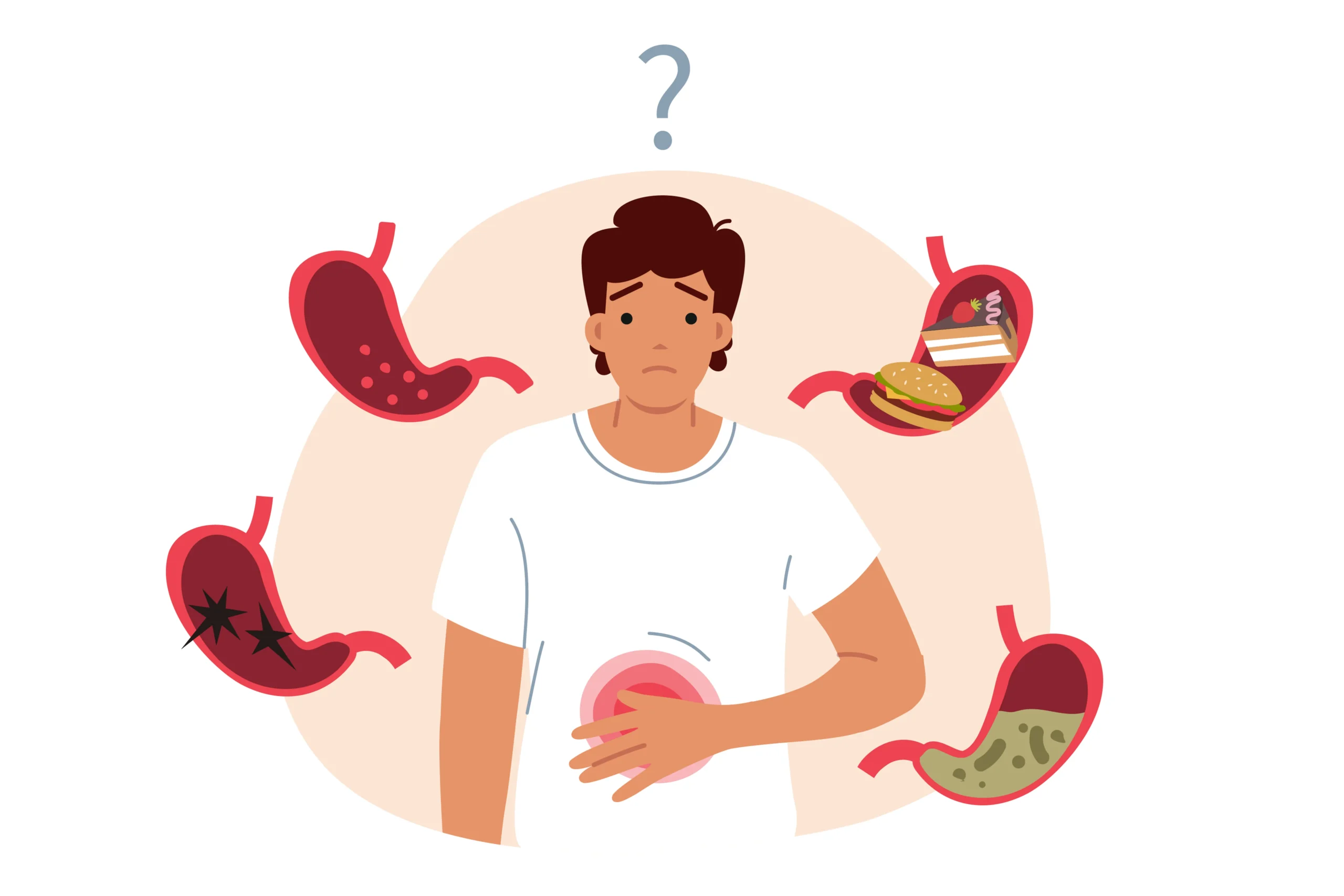
Stress doesn’t just mess with your head; it goes straight for your gut health, and the damage is more serious than most people realize.
We see it all the time here at DHS. A patient comes in with bloating, cramping, or unpredictable bathroom trips, and when we dig a little deeper, the culprit isn’t always what they ate. It’s how they’ve been living. Chronic stress and gut health are deeply connected, more than most people give credit for, and if your stomach’s been off lately, stress might be the reason nobody’s talking about.
Let’s break it down.
1. Stress Throws Your Gut Bacteria Completely Off Balance
Your gut is home to trillions of bacteria, and they’re surprisingly sensitive to your mood. When you’re under constant stress, work deadlines, family pressure, and financial worry, your body floods with cortisol, and that chemical shift literally changes the makeup of your gut health microbiome.
Good bacteria take a hit. Bad bacteria thrive. And once that balance tips, everything from digestion to immunity starts to suffer. Poor gut health doesn’t develop overnight, but chronic stress accelerates the damage more than most people expect. It’s like your gut’s internal ecosystem gets hit by a storm, and the cleanup takes time.
2. It Slows Down (or Completely Disrupts) Digestion
Ever notice how your stomach feels like a rock when you’re anxious? That’s not in your head. Stress activates your body’s fight-or-flight response, which essentially tells your digestive system, “Now’s not the time.”
Blood flow gets redirected away from your gut. Digestion slows. Food sits longer than it should. The result? Bloating, gas, constipation, and that heavy, uncomfortable feeling that just won’t quit. This kind of disruption is one of the most common ways stress quietly chips away at your gut health over time. Your gut literally pauses to deal with the perceived threat, even if that “threat” is just a stressful Monday morning.
3. Stress Makes Your Gut Hypersensitive
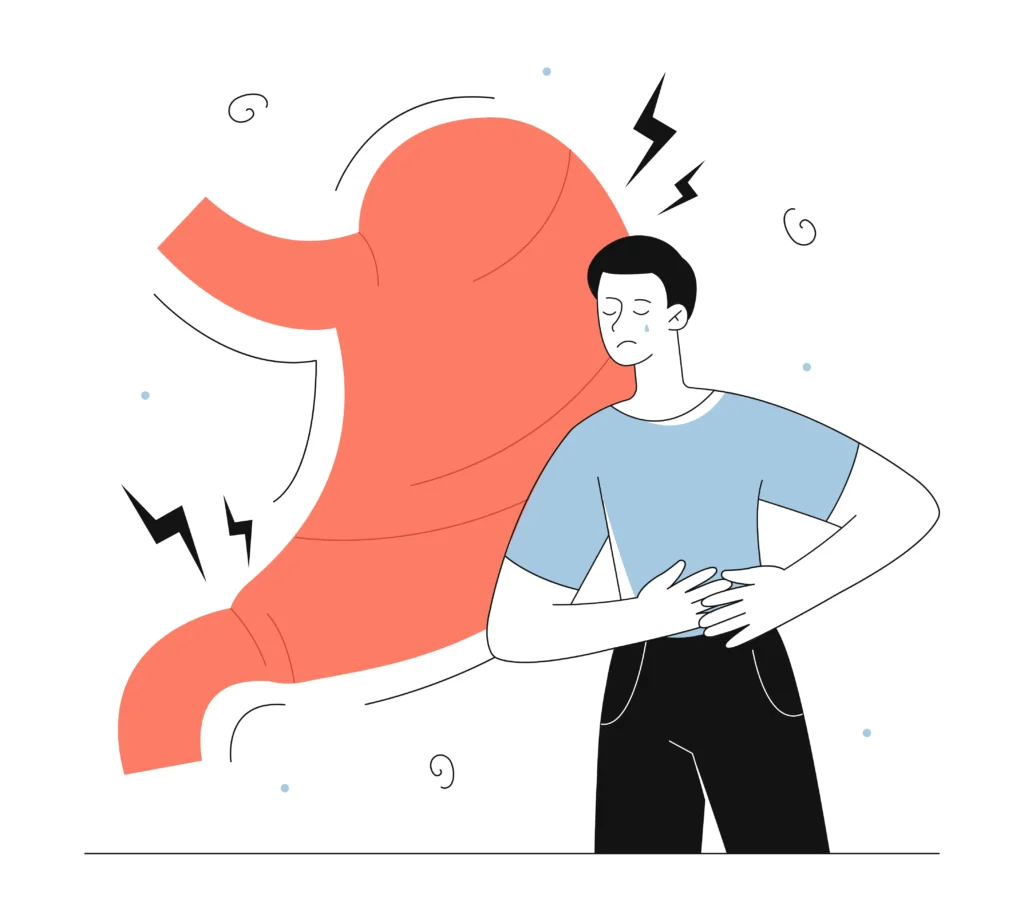
Here’s one that surprises a lot of people: chronic stress can actually make your gut more sensitive to pain. What might feel like mild discomfort to someone else can feel intensely painful when your nervous system is already on high alert.
This is especially true for people with IBS or other functional gut disorders. Stress doesn’t cause these conditions outright, but it absolutely amplifies them. We’ve had patients describe their gut health as being permanently “on edge,” and that’s honestly a pretty accurate way to put it. When your gut is that reactive, even ordinary meals can feel like a gamble.
4. It Weakens Your Gut Lining
Your gut lining is your body’s first line of defense. It decides what gets absorbed into your bloodstream and what doesn’t. Chronic stress compromises that lining, making it more permeable than it should be, and that’s a serious gut health concern that often goes unaddressed.
You might have heard the term “leaky gut.” It may sound dramatic, but the concept is real. When the gut lining weakens, particles that shouldn’t pass through start slipping into the bloodstream, triggering inflammation throughout the body. That inflammation can show up as fatigue, brain fog, skin issues, joint pain, symptoms that seem completely unrelated to your gut health, but actually aren’t.
5. Stress Fuels Inflammation Throughout Your Digestive System
Inflammation and stress go hand in hand. When cortisol levels stay elevated for too long, your immune system gets dysregulated, and your gut bears the brunt of it.
For people already managing conditions like Crohn’s disease, ulcerative colitis, or even acid reflux, chronic stress can trigger flares and make symptoms significantly harder to control. Protecting your gut health means taking inflammation seriously, not just treating symptoms when they flare up. We’re not saying stress is the only factor; it rarely is, but dismissing it as “just stress” is doing your gut health a real disservice.
6. It Disrupts the Gut-Brain Connection
Most people don’t realize the gut and brain are in constant communication through something called the gut-brain axis. It’s a two-way highway, and stress sends a lot of bad traffic down it.
When your brain is overwhelmed, it signals the gut to behave erratically. When your gut is inflamed or imbalanced, it signals the brain right back, contributing to anxiety, low mood, and mental fatigue. It’s a frustrating loop. You feel stressed, your gut health takes a hit, that makes you feel worse, and round and round it goes.
Breaking that cycle is one of the most important things you can do for your overall well-being, not just your digestion.
7. Chronic Stress Changes How You Eat, And That Hurts Your Gut Too
Let’s be honest: when we’re stressed, we don’t exactly reach for a leafy green salad. We grab what’s fast, what’s comforting, what’s easy. Ultra-processed foods, excess sugar, and alcohol, all of it feeds the bad bacteria and starve the good ones, and your gut health pays the price every single time.
Stress also messes with your eating patterns. Skipping meals, eating too fast, and late-night snacking might seem harmless in the short term, but over time, they put real strain on your gut health. It’s not just about what you eat. It’s about how and why you eat, too.
Your Gut Deserves More Than Just Managing Symptoms
At DHS, we don’t just treat symptoms. We get to the root of your gut health struggles and look at the full picture so you finally get answers that make sense.
Book an appointment with our team today and finally get the answers your gut deserves.