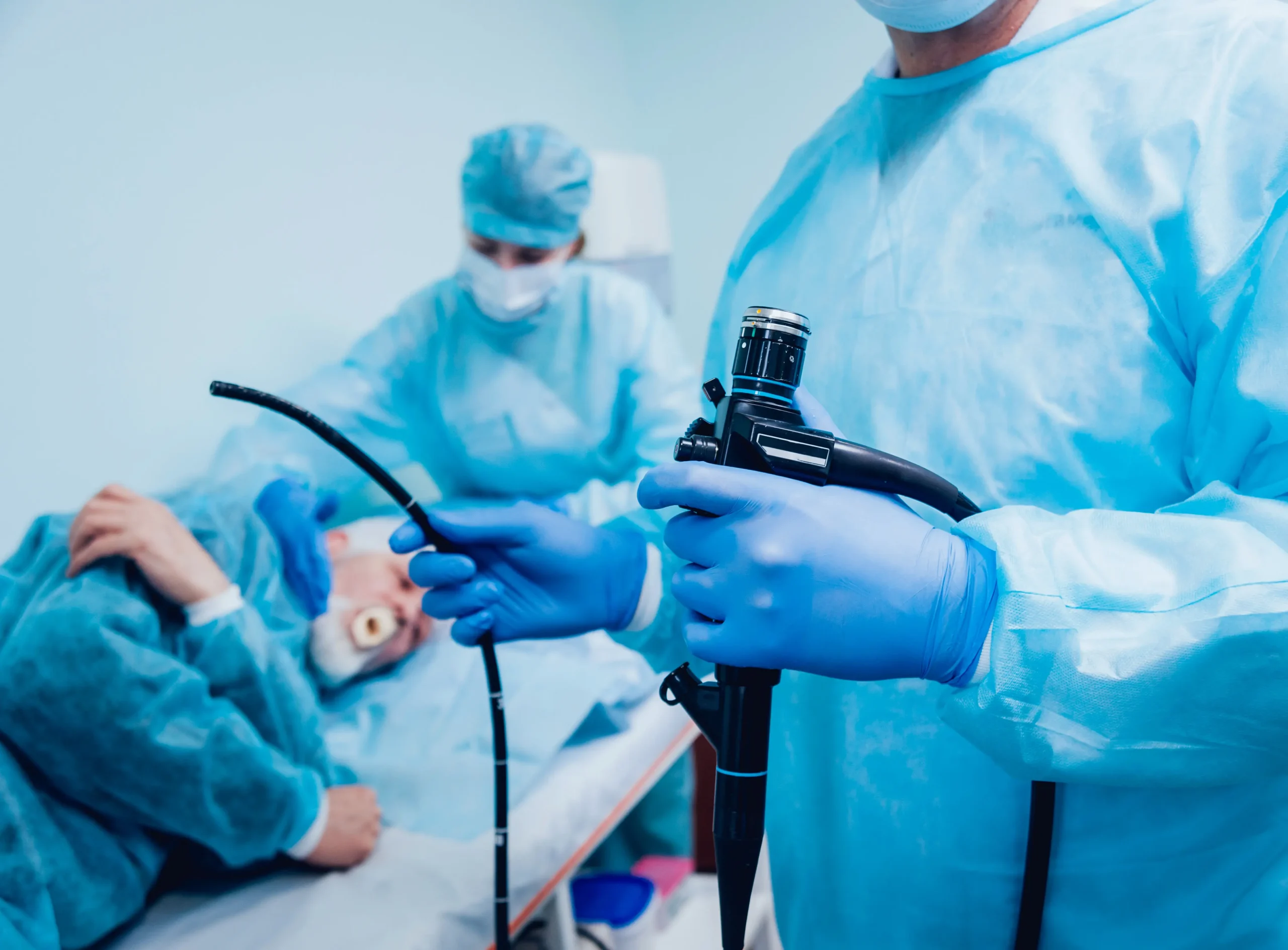
Here’s something most people don’t realize: your colonoscopy was probably over before your brain even registered it had begun. You closed your eyes, the sedation kicked in, and thirty quiet minutes later, a nurse was handing you juice and crackers. The whole thing felt like nothing. Because for you, it literally was nothing. But for your doctor? Those thirty minutes were everything.
At Digestive Health Services, we believe every patient deserves to know exactly what happened inside their body during their colonoscopy. Because understanding your own healthcare isn’t a luxury, it’s something you’re absolutely entitled to. So here’s what went on while you were out.
First: What Does “Asleep” Actually Mean?
Sedation during a colonoscopy isn’t dramatic. It isn’t scary. It’s genuinely just comfortable. Your brain switches off, your body stays relaxed, and the whole experience passes without a single moment of awareness on your end. Most patients describe waking up feeling like barely any time had passed at all. Because for them, it didn’t.
There are two options your doctor might use. Conscious sedation is the most common, lighter, fast-acting, and completely effective for most people. Propofol is the stronger alternative, preferred by patients who want to be deeply under with zero chance of any awareness. Your doctor picks the right fit for you. You don’t need to stress about which one.
And here’s the reassuring part: the whole time you’re under sedation, your vitals are being monitored continuously. Oxygen, heart rate, blood pressure, all of it. Everything is tracked, everything is steady, and our team is right there if anything needs attention because your health is our priority.
Okay, So What’s Actually Happening Inside?
This is the part people are really curious about. While you’re out, your gastroenterologist is doing some genuinely remarkable work.
A thin, flexible tube called a colonoscope, about the width of your finger, is gently guided through your colon. It has a tiny camera at the tip that sends live images to a monitor. Your doctor is essentially watching a real-time tour of your colon, looking for anything that shouldn’t be there.
Here’s what they’re specifically looking for:
- Polyps: Small growths on the lining of the colon. Most are harmless, but some can turn into colon cancer over time if left unchecked. Finding them early is the whole point.
- Inflammation or redness, which can signal conditions like Crohn’s disease or colitis.
- Unusual tissue: Anything that looks out of the ordinary gets noted, and sometimes a small biopsy is taken right then and there.
And here’s what’s pretty incredible: if a polyp is found, your doctor doesn’t just note it and move on. They can remove it during the same procedure. Same session. While you’re still asleep. You wake up, and it’s already gone. That’s not just convenient, that’s potentially life-saving.
The Timeline: Minute by Minute
Wondering how it all fits into 30 minutes? Here’s roughly how it goes:
- The first few minutes: Your sedation kicks in. You go from slightly drowsy to completely relaxed in a matter of moments. The room gets quiet for you, even if it stays busy for everyone else.
- Minutes 5 through 25: This is where the real work happens. Your doctor carefully navigates the colonoscope through your entire large intestine, all five to six feet of it. They’re moving slowly, deliberately, making sure they don’t miss a thing. Air is gently introduced to open up the colon walls for a better view. That’s actually what causes the bloating some people feel afterward. Totally normal.
- The final few minutes: The scope is carefully withdrawn, and your doctor takes one last look on the way out. Sometimes this is where smaller findings get caught. Nothing gets rushed.
Then you’re done. Recovery takes maybe 30 to 60 minutes. You wake up, someone brings you juice and crackers, and you feel mildly confused but completely fine.
What If They Find Something?
This is the question that sits in the back of everyone’s mind going into a colonoscopy. And it’s worth addressing directly.
If your doctor finds a polyp and removes it, which happens in roughly one in three colonoscopies, you’ll be told when you wake up. Calmly. Clearly. Without alarm. Most polyps are benign. Removing them during the procedure means there’s nothing left to worry about.
If something needs further investigation, a biopsy sample gets sent to a lab. Results usually come back within a few days. And at Digestive Health Services, we make sure you’re never left waiting without support or answers.
The truth is, finding something during a colonoscopy is usually a good thing, not a scary thing. It means your screening worked exactly the way it was supposed to.
The Part Nobody Talks About: The Emotional Side
There’s something quietly vulnerable about a colonoscopy. You’re handing over full control to a medical team, trusting that they’ll take care of you while you’re completely unaware.
We don’t take that lightly. Not even a little.
Every patient who comes through our doors at Digestive Health Services is treated with the same care and respect we’d want for our own family. You’re not just a scheduled procedure to us. You’re a person who showed up sometimes nervously, sometimes reluctantly, and that matters.
Ready to Stop Wondering and Start Knowing?
Your colon health isn’t something to put off. Is a colonoscopy one of the most effective cancer-screening tools available, and the part you’re most worried about? You sleep right through it.
If you’re 45 or older, have a family history of colon cancer, or have simply been putting this off longer than you should, this is your sign.
Book your colonoscopy at Digestive Health Services today. We’ll take care of everything. You just show up.