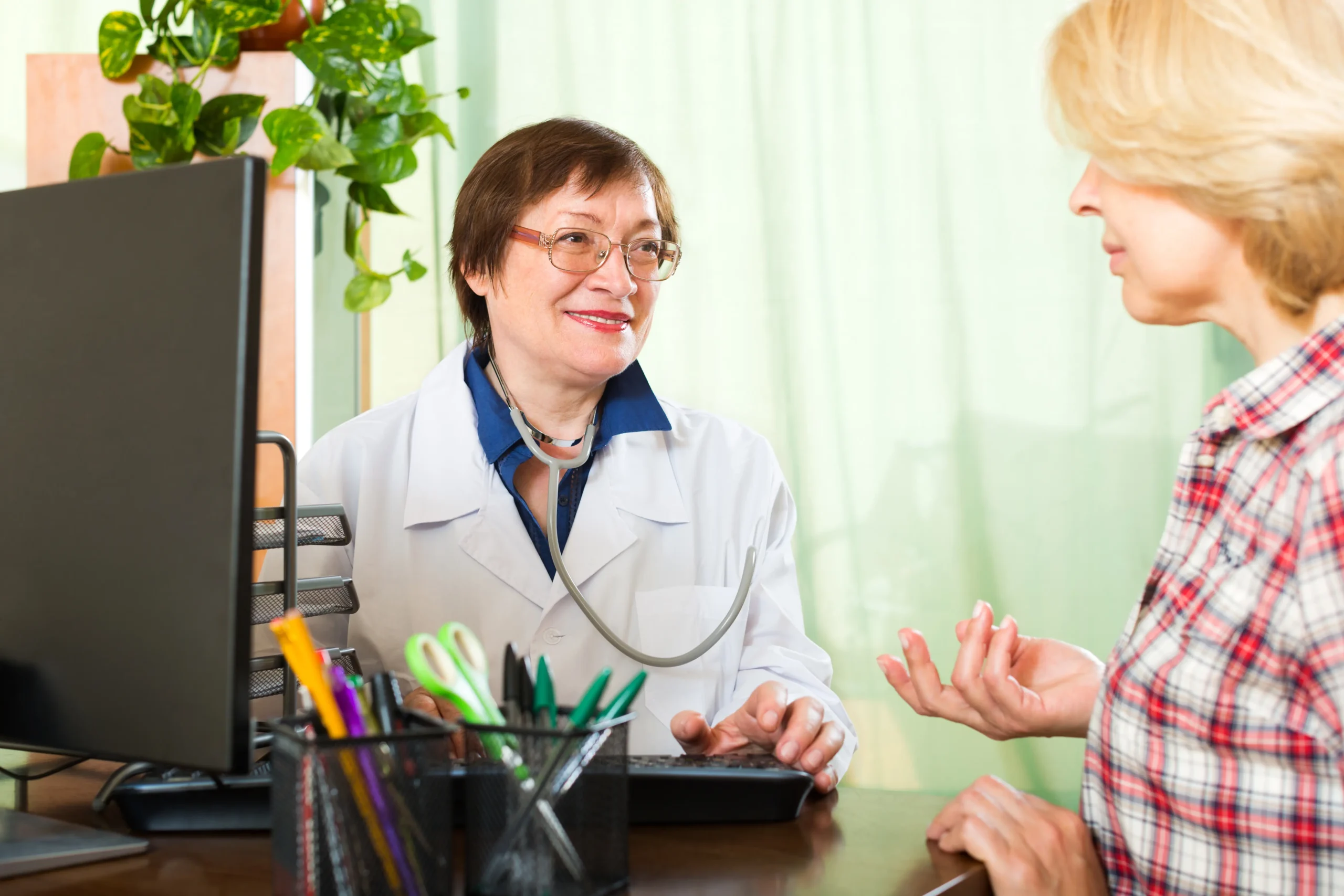
The prep is done, the procedure is over, and you’re finally back in your own space. Now the questions start. When can I eat? What can I eat? Is this cramping normal? Colonoscopy recovery is usually quick and easy, but knowing what to expect makes it a lot less stressful.
This guide covers the first few hours, the best foods to start with, what to skip, and the warning signs that mean it’s time to call us.
The First Few Hours After Your Colonoscopy
You’ll wake up in the recovery area, where our team will monitor you as the sedation wears off. Most people feel groggy, relaxed, or a little forgetful. That’s normal, and it’s why you shouldn’t count on remembering everything you’re told.
Before you leave, your doctor or nurse will go over what was found and give you written instructions. Ask your driver or a family member to listen in too.
For the rest of the day, plan to take it easy:
- Have a responsible adult drive you home. You can’t drive yourself or take an Uber, even if you feel fine.
- Rest at home and avoid driving, using heavy machinery, or making important decisions or signing legal documents until the next day.
- Skip alcohol for 24 hours.
- Hold off on strenuous exercise, and ask your doctor if you’re unsure when to restart.
Most people are back to work and normal routines the next day. If you had a polyp removed, your doctor may give you extra instructions, so follow those first.
What’s Normal During Colonoscopy Recovery
During the exam, air is gently added to the colon so your doctor can see clearly. That’s the main reason for the symptoms most people notice afterward.
- Gas and bloating. Very common. Passing gas helps, and it usually settles within a few hours.
- Mild cramping. Often eases once the gas passes. Walking around gently can help.
- Sleepiness. Sedation can linger for the rest of the day.
- A delayed first bowel movement. Your colon was emptied for the exam, so it can take a day or two to get back on schedule.
- A small amount of blood. If a polyp was removed or a biopsy was taken, you may notice a streak or small amount of blood in your first bowel movement or two. Anything more than that deserves a call to our office.
- A sore spot where an IV was placed can also happen. These usually fade quickly.
When Can You Eat After a Colonoscopy?
Most people can eat once they’re awake, alert, and feeling steady, often within an hour of the procedure. You’ve probably been on clear liquids for a day, so your stomach is ready for something, but it helps to ease back in rather than celebrate with a giant meal.
Start with small portions and see how you feel. If your stomach is fine, you can build up from there. Unless your doctor tells you otherwise, you can usually return to your normal diet within a day.
What to Eat After a Colonoscopy
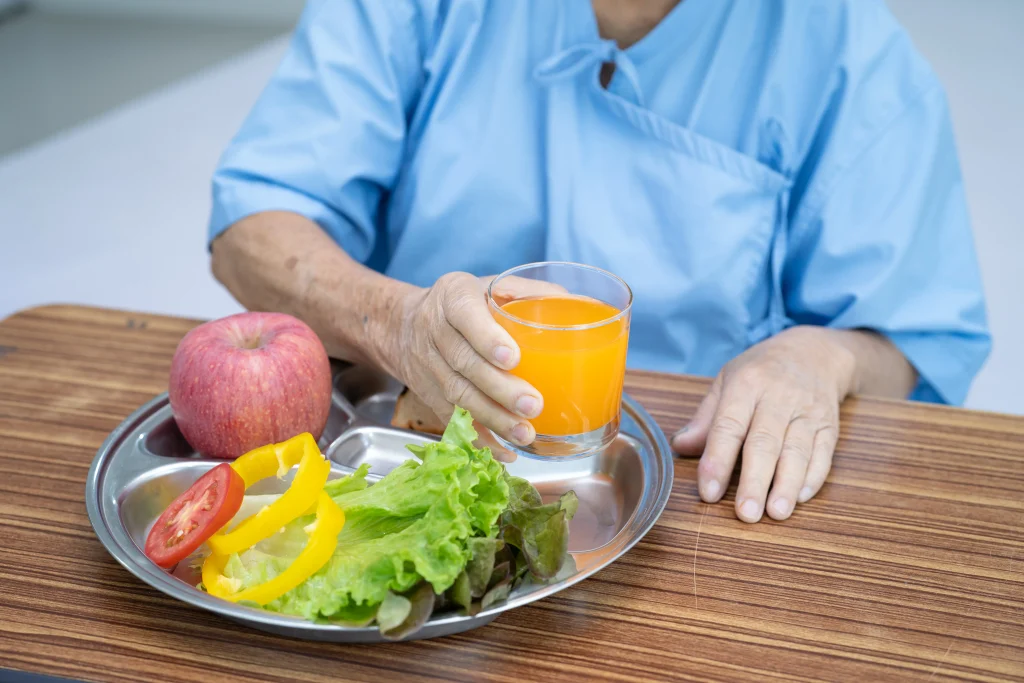
The best first foods are light, soft, and easy to digest. Good options include:
- Scrambled eggs or a soft-boiled egg
- Toast, crackers, or plain bagels
- Chicken noodle or other simple soups
- Bananas, applesauce, or other soft fruit
- Plain rice, oatmeal, or mashed potatoes
- Yogurt, if your stomach tolerates dairy well
- Baked or poached chicken or fish
These foods are gentle on a colon that has just been cleaned out, and they won’t add much to the gas and bloating you may already feel.
Don’t forget fluids. The prep process can leave you dehydrated, so drink plenty of water, broth, or electrolyte drinks throughout the day. Staying hydrated also helps your bowels get moving again.
What to Avoid at First
For the rest of the day, steer clear of anything that could upset a sensitive stomach:
- Greasy or fried foods
- Spicy dishes
- Heavy, large meals
- Alcohol
- Carbonated drinks, if you’re already feeling gassy
- Very high-fiber or gas-producing foods like raw vegetables, beans, and whole nuts, if bloating is bothering you
There’s no need to avoid these foods for long. Most people are eating normally again by the next day.
Tips to Ease Gas and Cramping
- Walk. Light movement helps your body pass the air that was added during the exam.
- Sip warm liquids. Warm tea (without caffeine, if it bothers your stomach) or broth can feel soothing.
- Lie on your left side with your knees bent if cramping is uncomfortable.
- Use a warm compress on your belly if it helps.
- Eat slowly and in smaller portions for the first meal or two.
Medications After Your Colonoscopy
Your doctor will tell you when to restart anything you paused before the exam. This matters most for blood thinners, diabetes medications, and iron supplements. Don’t restart or change any medication until you’ve checked your instructions, especially if you had a polyp removed, since timing can affect the risk of bleeding. If you’re unsure, call our office or the doctor who prescribed the medication.
Warning Signs: When to Call Your Doctor
Serious problems after a colonoscopy are uncommon, but it’s important to know what to watch for. Call our office right away if you notice:
- Heavy rectal bleeding or large blood clots
- Severe or worsening belly pain
- A hard, swollen belly
- Fever or chills
- Repeated vomiting
- Dizziness, weakness, or a racing heart
If you had a polyp removed, delayed bleeding can occasionally happen up to about two weeks after the procedure, so don’t ignore symptoms just because some time has gone by. For severe symptoms or a medical emergency, call 911.
Getting Your Results
Your doctor will usually share what was seen right after the exam. If polyps were removed or tissue samples were taken, they go to a pathology lab, and final results can take several days to a couple of weeks. Ask our team how and when you’ll receive them, and keep your follow-up appointment if one was scheduled.
Questions About Your Colonoscopy Recovery? We’re Here to Help
If something doesn’t feel right after your exam, or you’re just not sure what you can eat or when to restart a medication, don’t wait it out. Reach out to our team and get a clear answer. Digestive Health Services helps patients take care of their digestive health.
Book Your Appointment Today to discuss your concerns with our team. You deserve clear answers and peace of mind at every step of your digestive health journey.
Colonoscopy Recovery FAQs
What is the best meal to eat after a colonoscopy?
Choose something light and easy to digest, like scrambled eggs, toast, soup, or a banana. Skip greasy, spicy, or heavy foods and alcohol for the rest of the day.
How many days should I rest after a colonoscopy?
Most people only need to rest for the remainder of the day of the procedure and can return to normal activities the next day. If you had a polyp removed, follow any extra activity instructions from your doctor.
What is the recovery time like for a colonoscopy?
Recovery is usually quick, with most people feeling back to normal within 24 hours. Mild gas, bloating, and cramping are common but typically settle within a few hours.
How long are you actually asleep during a colonoscopy?
The exam itself usually takes about 20 to 45 minutes, and you’re sedated for that time. Most people wake up shortly afterward in the recovery area, though you may feel groggy for the rest of the day.
Is it normal to see blood after a colonoscopy?
A small amount of blood in your first bowel movement or two can be normal, especially if a polyp was removed or a biopsy was taken. Call our office right away if you notice heavy bleeding or large clots, since delayed bleeding can occasionally occur up to two weeks after polyp removal.
Medical disclaimer: This article is for general educational purposes only and is not a substitute for professional medical advice, diagnosis, or treatment. Recovery instructions vary by patient and by findings. Always follow the guidance of your own doctor. For a medical emergency, call 911.