That burning feeling right after lunch. The bloating that shows up no matter how little you eat. Gastritis affects a huge number of adults, and for many of them, food is either the enemy or the answer, depending on what’s on the plate.
The good news? While gastritis often needs proper medical treatment, what you eat can make a real difference in how your stomach feels day to day.
What Is Gastritis, and Why Does Food Matter So Much?
Gastritis is inflammation of the stomach lining, and it can flare up suddenly or linger for months. Common triggers include H. pylori infection, long-term use of NSAIDs like ibuprofen, excessive alcohol intake, and chronic stress.
When the stomach lining is inflamed, certain foods can make symptoms worse almost instantly. Spicy dishes, fried foods, caffeine, and acidic fruits are notorious for aggravating gastritis. On the flip side, some foods actually help calm irritation and support healing. That’s where a thoughtful gastritis diet comes in.
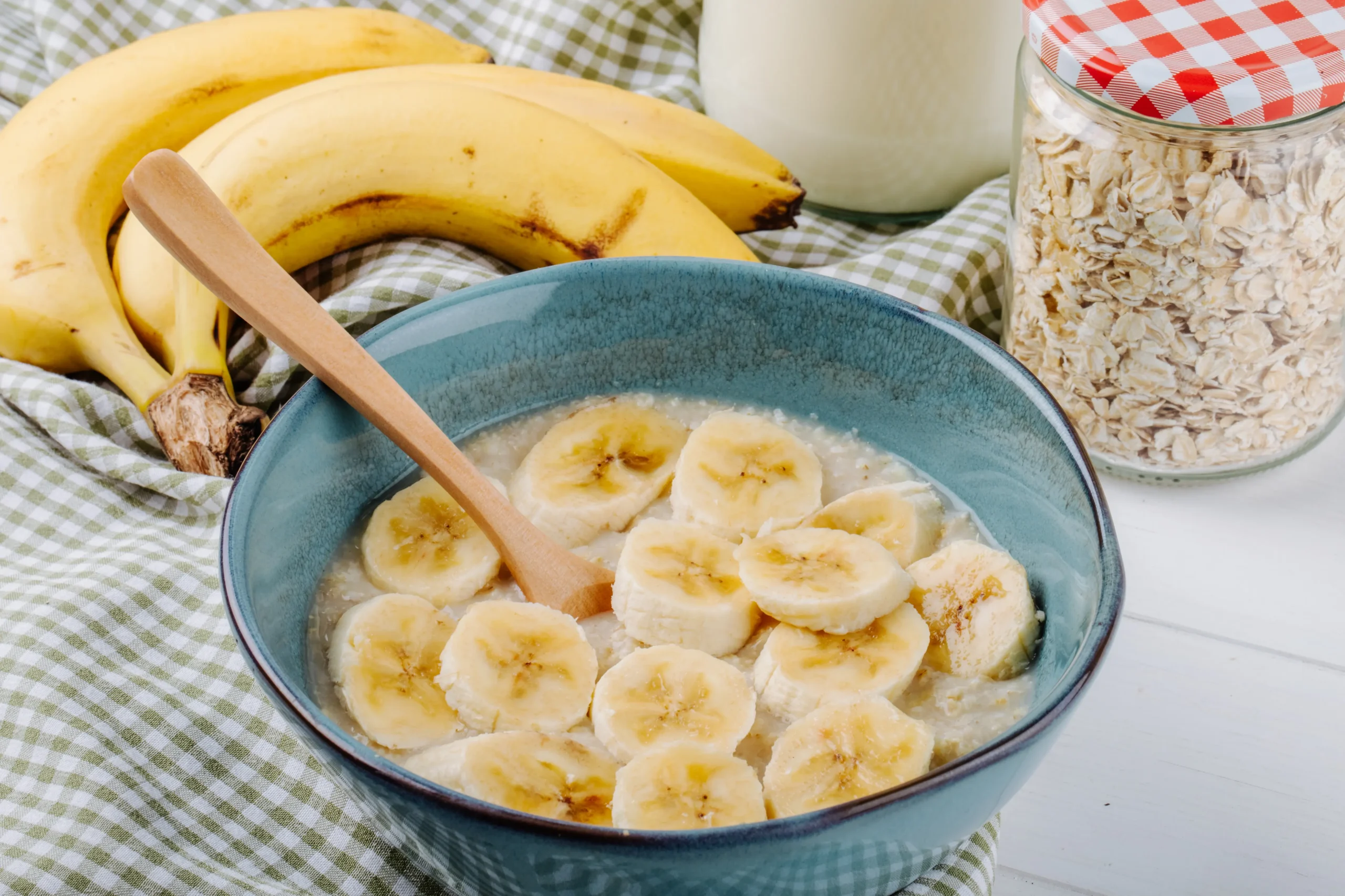
1. Oatmeal and Other Whole Grains
Oatmeal is one of the easiest wins for anyone managing gastritis. It’s soft, low in acid, and packed with soluble fiber that coats the stomach lining rather than irritating it.
Other gentle whole grains worth adding include:
- Brown rice
- Quinoa
- Whole wheat toast (plain, not buttered heavily)
These foods digest slowly and steadily, which means less spiking of stomach acid.
2. Bananas for a Natural, Low-Acid Stomach Soother
Bananas are a classic go-to for gastritis, and for good reason. They’re low in acid, easy to digest, and naturally coat the stomach lining, helping to reduce that raw, burning sensation many people describe.
They also contain potassium, which supports normal digestive function without adding any harsh compounds that could trigger flare-ups.
3. Ginger to Ease Nausea and Calm Inflammation
Ginger has been used for centuries to settle upset stomachs, and modern research backs up its reputation for reducing nausea and inflammation. For gastritis specifically, small amounts of fresh ginger or ginger tea can ease queasiness without introducing acidity.
Just keep portions modest. Too much ginger on an already sensitive stomach can occasionally backfire.
4. Cooked, Non-Acidic Vegetables That Won’t Trigger Flare-Ups
Raw vegetables and acidic ones like tomatoes or peppers can be tough on an inflamed stomach. Cooked, mild vegetables are a much friendlier option for anyone dealing with gastritis.
- Steamed carrots
- Cooked spinach
- Squash
- Green beans
Cooking breaks down fibers that would otherwise be harder to digest, which reduces the workload on your stomach.
5. Lean Proteins That Won’t Weigh Down Your Stomach
Protein is essential, but the type matters a lot when gastritis is in the picture. Fatty, greasy meats tend to sit heavy and can worsen symptoms, while lean options are much easier on the stomach lining.
- Skinless chicken or turkey
- Baked or steamed fish
- Eggs (poached or boiled rather than fried)
These provide the nutrients your body needs without adding unnecessary irritation.
6. Probiotic-Rich Yogurt to Support a Healthier Gut
Plain, low-fat yogurt with live active cultures can support a healthier gut environment, which matters when gastritis is linked to bacterial imbalance or H. pylori. The probiotics may help crowd out harmful bacteria while being gentle on the stomach itself.
Skip flavored or sugary varieties, since added sugar can sometimes worsen bloating and discomfort.
7. Herbal Teas Like Chamomile and Licorice Root for Soothing Relief
Caffeinated drinks are usually off the table for gastritis, but that doesn’t mean you’re stuck with plain water. Chamomile tea has calming, anti-inflammatory properties, and deglycyrrhizinated licorice root DGL) has been studied for its potential to support the stomach lining.
Both are simple, low-risk additions that many people find soothing during a flare-up.
Foods That Tend to Make Gastritis Worse
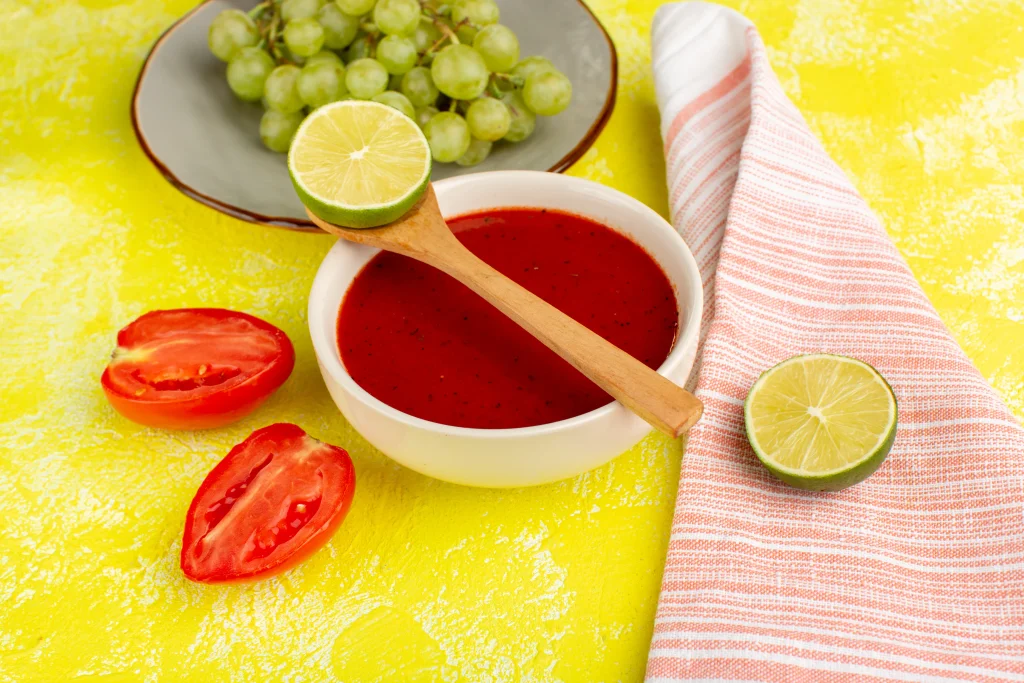
Just as important as what to eat is what to avoid.
Common gastritis triggers include:
- Citrus fruits and tomato-based sauces
- Fried and fatty foods
- Alcohol and carbonated beverages
- Coffee and other caffeinated drinks
- Spicy dishes
Everyone’s triggers are a little different, so paying attention to how your body reacts is worth the effort.
Diet Alone Isn’t Always Enough
A gastritis-friendly diet can genuinely ease day-to-day discomfort, but it isn’t a substitute for proper diagnosis and treatment.
Chronic or untreated gastritis can lead to complications like stomach ulcers, so if your symptoms are persistent, it’s worth getting checked out rather than managing them with food changes alone.
If you’re already noticing patterns between certain foods and your symptoms, that’s valuable information to bring to a gastroenterologist.
When Should You See a Gastroenterologist?
If your symptoms are frequent, severe, or not improving with dietary changes, it’s time to get a professional opinion.
At Digestive Health Services, our board-certified specialists have over 60 years of combined experience and are here to help
Schedule a consultation with our team today. Don’t let gastritis control your daily life
Frequently Asked Questions
Can gastritis be caused by stress?
Stress can contribute to or worsen gastritis symptoms, especially during periods of ongoing physical or emotional stress. Managing stress may help reduce symptom flare-ups.
Is banana good for gastritis?
Bananas can be a gentle, low-acid food that may be well tolerated by people with gastritis. However, individual tolerance can vary.
Does drinking water help gastritis?
Drinking water may help support digestion and prevent dehydration when you have gastritis. However, water does not treat the underlying cause of gastritis.
What is the difference between gastritis and GERD?
Gastritis is inflammation of the stomach lining, while GERD occurs when stomach acid frequently flows back into the esophagus. Their symptoms can overlap but involve different parts of the digestive system.