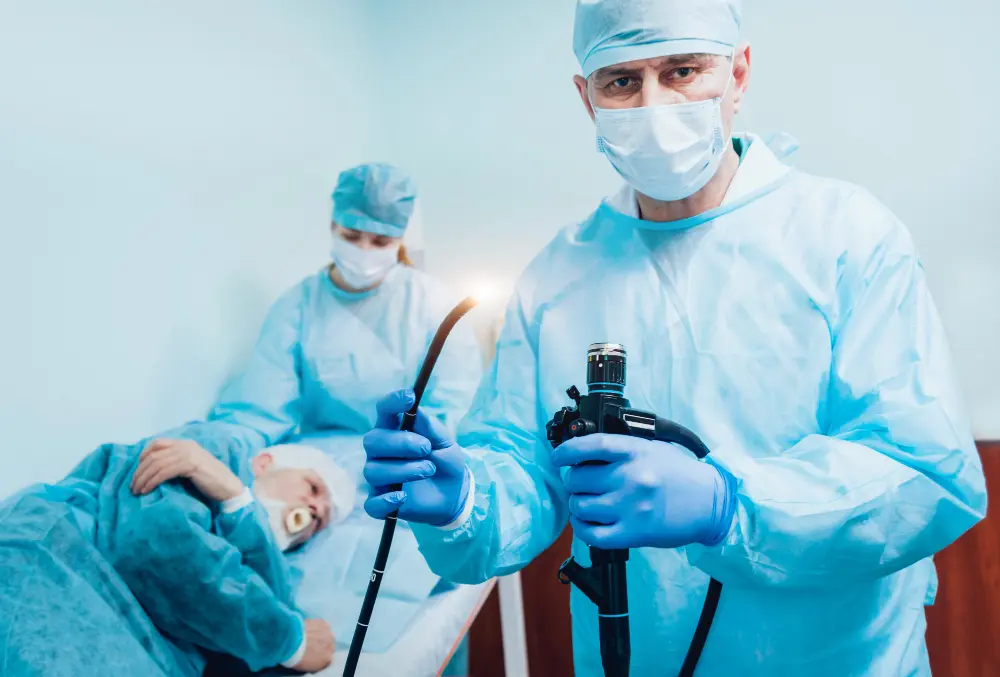
If your doctor has recommended an endoscopy, you’re probably feeling a mix of curiosity and nerves, and that’s completely normal. Most people have never had one before, and the idea of a tiny camera going inside your body can sound intimidating.
The good news? An endoscopy is actually one of the simplest, safest, and most effective ways for doctors to understand what’s happening inside your digestive system, without surgery, big incisions, or long recovery time.
So… What Exactly Is an Endoscopy?
An endoscopy is a medical procedure where a doctor uses a thin, flexible tube with a light and camera (called an endoscope) to look inside your digestive tract.
Think of it as a high-definition tour of your esophagus, stomach, or small intestine, helping your doctor see things that an X-ray or scan might miss.
It’s commonly used for patients with:
- Persistent acid reflux or heartburn
- Trouble swallowing
- Chronic stomach pain
- Nausea or vomiting
- Unexplained weight loss
- GI bleeding
- Suspected ulcers or inflammation
Because the camera gives a real-time view, it’s incredibly accurate and often prevents unnecessary treatments later.
Why Doctors Recommend It
Endoscopy helps your doctor:
Diagnose symptoms
It reveals issues such as inflammation, ulcers, strictures, infections, and early signs of disease.
Take biopsies (painlessly)
Tiny tissue samples can be collected to test for conditions like celiac disease, H. pylori, or Barrett’s esophagus.
Treat problems during the same procedure
In many cases, the doctor can also:
- Remove polyps
- Stop bleeding
- Stretch narrowed areas
- Remove swallowed objects
- Treat early lesions
This makes it both a diagnostic and therapeutic tool.
How to Prepare for an Endoscopy
Preparation is simple, and your healthcare team will give you detailed instructions. Generally, you can expect:
✔ Fasting
You’ll need an empty stomach. Most clinics ask you to avoid food for 6–8 hours before the procedure.
✔ Medication adjustments
If you’re taking blood thinners, diabetes meds, or supplements, your doctor may give special guidelines.
✔ Arrange a ride
Because you’ll receive sedation to help you relax, you’ll need someone to drive you home afterward.
That’s it! No extreme prep, no pain, no long recovery.
What Happens During the Procedure?
Here’s what you can expect on the day of your appointment:
You’ll check in and get settled
A nurse will help you change into a gown and make sure you’re comfortable.
Sedation begins
Most patients get light sedation (not full anesthesia), so you’re relaxed and comfortable.
Many people actually nap during the procedure and remember little afterward.
The endoscopy begins
The doctor gently guides the endoscope through your mouth and down your esophagus.
You won’t feel pain, maybe some mild pressure, and your throat may feel slightly numb.
Real-time visuals
The camera sends a clear view to a monitor, helping the doctor identify any inflammation, ulcers, or other issues.
The doctor may take biopsies
This is painless, you won’t feel a thing.
You’re done!
The whole process usually takes 10–15 minutes.
What About After the Endoscopy?
Recovery is quick. You’ll rest for a short time while the sedation wears off. Most people feel:
- Slight grogginess
- A mild sore throat
- Bloating (from the air used during the procedure)
These usually disappear within a few hours.
Eating After an Endoscopy
In most cases, you can eat soft, mild foods the same day. Your doctor will advise based on your results.
Follow-Up
You’ll either:
- Get a summary right after the procedure, or
- Receive results later if biopsies were taken
Either way, your doctor will walk you through what they found and recommend next steps if needed.
Is Endoscopy Safe?
Yes, it’s one of the safest GI procedures available.
Complications are extremely rare, and millions of endoscopies are performed each year around the world.
If you’re having digestive symptoms or if something just “doesn’t feel right,” an endoscopy helps your doctor get clear answers fast. It’s quick, safe, and incredibly informative, and most patients say the experience was much easier than they expected.
An early diagnosis often leads to quicker relief and better long-term health. So if your doctor has recommended an endoscopy, think of it as a helpful step toward feeling better, not something to fear.