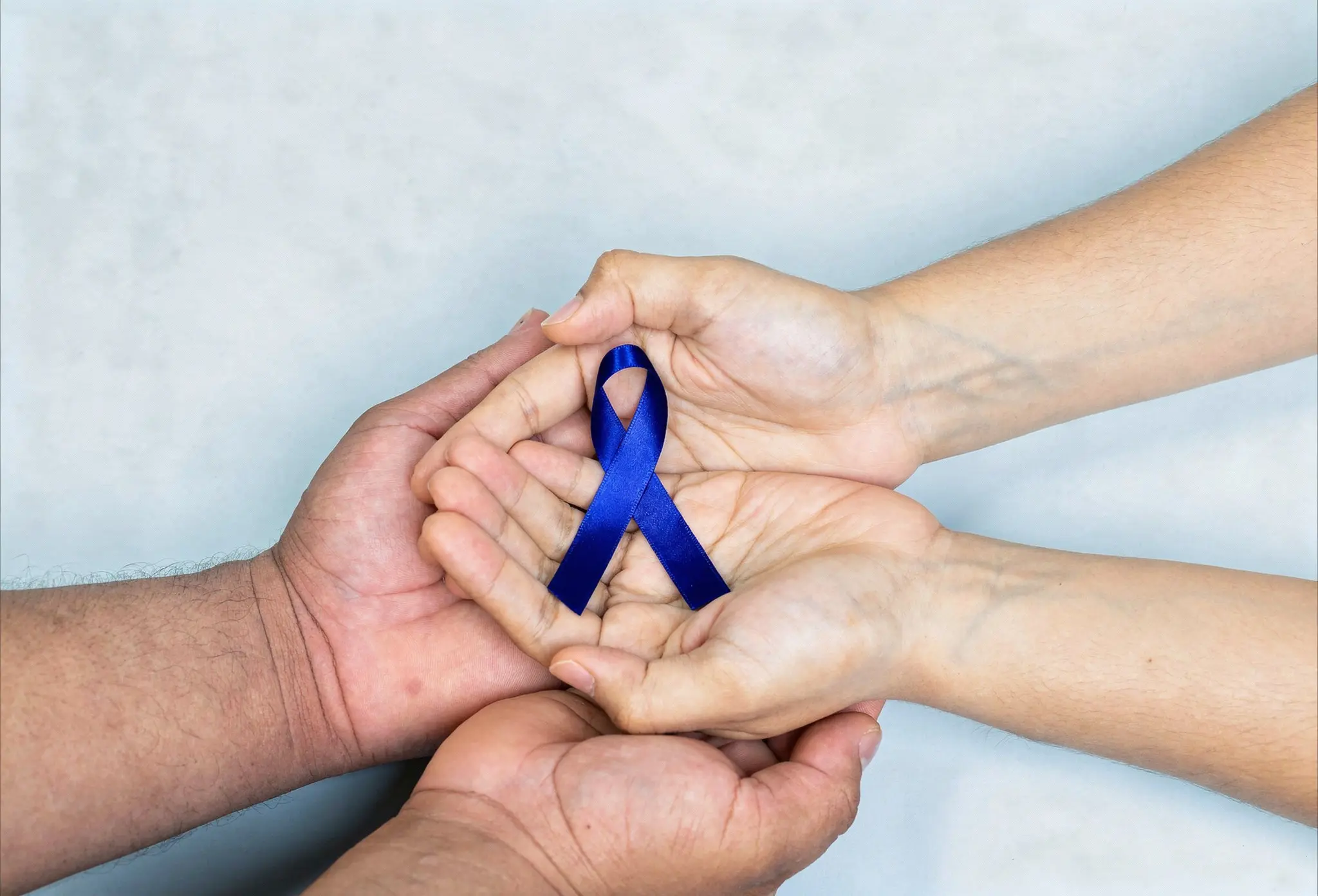
It usually starts with a casual comment. ‘Oh yeah, my dad had something removed from his colon years ago, something about colon cancer, I think.’ Said once, never followed up on, and completely forgotten. Until one day, sitting in a doctor’s office, it suddenly becomes the most important sentence you’ve ever spoken.
We’ve watched it happen more times than we can count. A patient walks into Digestive Health Services for a routine visit, nothing urgent, nothing alarming. We ask about family history, almost as a formality. And then comes the pause. That quiet, slightly uncomfortable pause where the pieces start falling into place. Dad had colon cancer. Aunt had polyps. Nobody ever connected the dots. Nobody ever thought to.
That’s exactly why we’re writing this. Not to overwhelm you with statistics or scare you into an appointment, but to have the honest, straightforward conversation that probably never happened around your dinner table. No jargon. No panic. Just the stuff you actually need to know.
So… Is Colon Cancer Actually Hereditary?
Short answer? Yes sometimes. Not always, but often enough that your family history genuinely matters.
About 5–10% of all colon cancer cases are directly linked to inherited gene mutations. The two most common ones you might hear about are Lynch Syndrome and Familial Adenomatous Polyposis (FAP). These are inherited conditions that significantly raise a person’s lifetime risk of developing colon cancer, sometimes to 70–80%.
But here’s what surprises most people: you don’t need a diagnosed genetic condition to have elevated risk. If a first-degree relative, such as a parent, sibling, or child, has had colon cancer, your risk is already 2 to 3 times higher than average. Two relatives? Even higher.
The Family History Conversation Nobody Has

Here’s a real-life scenario we encounter regularly. A 42-year-old woman, let’s call her Maria, came in because she’d been having some irregular digestion. Nothing dramatic. During her intake, we asked about family history. She paused and said, “My dad had something with his colon… I think they removed a piece? He never really talked about it.”
That “something” turned out to be a cancerous tumor. Her dad had colon cancer at 55 and never told his kids because he didn’t want to worry them.
Maria had no idea she should have started screening at 32, ten years before her father’s diagnosis. We caught two polyps during her colonoscopy that day. Early stage, fully removable. She was fine. But it could have been a very different story.
The lesson here isn’t to panic, it’s to talk. Ask your parents. Ask your siblings. Have the awkward dinner table conversation. It’s worth the discomfort, we promise.
What Risk Factors Should You Know About?
Family history is the big one, but it doesn’t work alone. Here are the key risk factors we always walk our patients through:
Family History of Colon Cancer or Polyps: If a close relative had colon cancer or adenomatous polyps, your risk goes up full stop. This is the most important factor we look at when deciding when to start screening.
Age: Most colon cancer cases occur in people over 50. But, and this is important, rates in younger adults are rising. We’re now recommending screening starting at 45 for average-risk individuals. Don’t assume you’re too young.
Personal History of Polyps: Had polyps removed before? They can come back. Regular follow-up colonoscopies aren’t optional for you; they’re essential.
Lifestyle Factors: A diet high in processed meat, low physical activity, smoking, and heavy alcohol use all quietly increase your colon cancer risk over time. We’re not here to lecture you, but a few small changes really do make a difference.
Inflammatory Bowel Disease: If you have Crohn’s disease or ulcerative colitis, your risk is higher. This is something we monitor closely with our IBD patients.
When Should You Get Screened?
This is where people get confused, so let’s make it simple:
- Average risk, no family history → Start at 45
- One first-degree relative with colon cancer → Start at 40, or 10 years before their diagnosis age, whichever comes first
- Known genetic syndrome like Lynch → Screening may start as early as 20–25
Not sure where you fall? That’s literally what we’re here for. A quick conversation with one of our GI specialists can map out exactly what makes sense for you.
A Colonoscopy Isn’t as Bad as You Think
We know. The prep has a reputation. And yes, the day before isn’t exactly a spa day. But the procedure itself? Most patients tell us it was way easier than they expected. You’re sedated, comfortable, and it’s over in about 30 minutes.
What we catch during those 30 minutes can genuinely change the course of your life. Polyps found early are removed right then and there, no surgery, no drama. Colon cancer caught in Stage 1 has a survival rate of over 90%. That number drops significantly in later stages. Early detection isn’t just important, it’s everything.
You Can’t Change Your Genes. But You Can Take Action.
Here’s our honest take: having a family history of colon cancer is not a life sentence. It’s a heads-up. It means you can be proactive, informed, and ahead of the curve, while others may not even know they should be paying attention.
We’ve seen patients with strong family histories who’ve never developed colon cancer because they stayed on top of their screenings. We’ve also seen people with zero family history get blindsided because they assumed they were fine. Risk factors matter, but so does action.
The best thing you can do for yourself and your family is to know your history, talk to a specialist, and not put off that colonoscopy you’ve been “meaning to schedule.”
Ready to Protect Your Family? Let’s Talk.
Your family’s history doesn’t have to become your future.
At Digestive Health Services, we specialize in helping patients understand their colon cancer risk and taking real, practical steps to stay ahead of it. Whether you’re due for a screening, have questions about your family history, or just want peace of mind, we’re here for you.
Don’t wait for symptoms. Don’t put it off another year.
Book your appointment today because your family needs you to be healthy, and you deserve to stay that way.