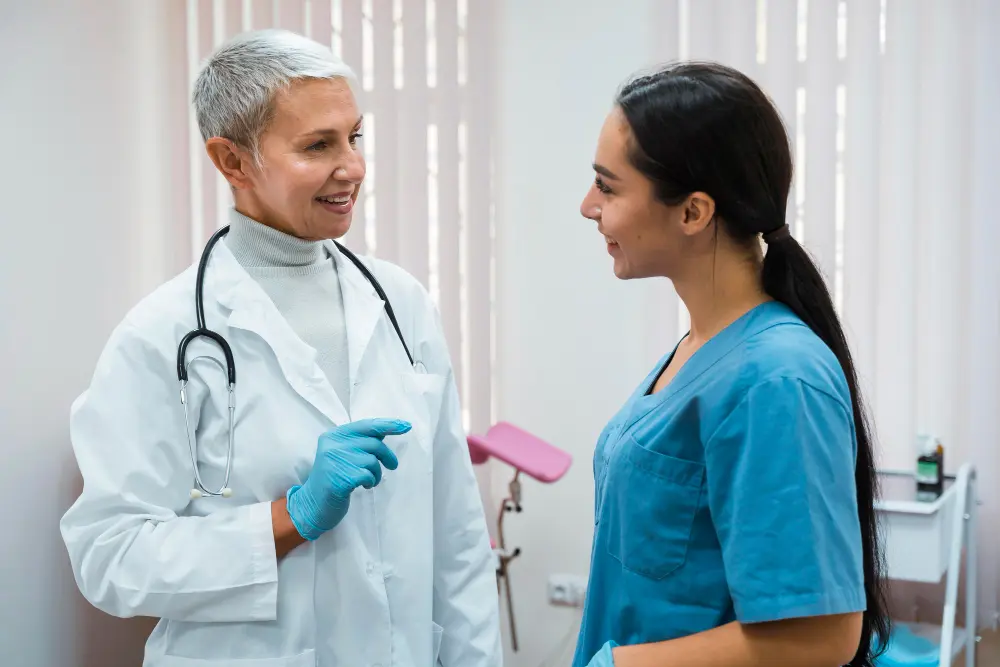
If you’re scheduled for an endoscopy, or just had one, you’re probably wondering, “What happens next?” The good news: recovery is usually quick, simple, and far less intimidating than people expect.
Let’s walk through what to expect after an endoscopy, how to recover comfortably, what to eat, and when follow-up care matters.
Right After the Endoscopy: The First Hour
After your procedure, you’ll be taken to a recovery area where the medical team monitors you as the sedation wears off.
Common post-endoscopy experiences include:
- Mild grogginess or sleepiness
- A sore throat
- Bloating or gas
- Slight nausea
These effects are temporary and usually resolve within a few hours. If you received sedation, you’ll need someone to drive you home. Avoid driving, alcohol, or making major decisions for the rest of the day.
Endoscopy Recovery: What’s Normal?
Most patients feel back to normal within 24 hours.
You may notice:
- Mild throat discomfort (especially after an upper endoscopy)
- Feeling gassy or bloated
- Fatigue from sedation
What’s not normal:
- Severe abdominal pain
- Fever or chills
- Vomiting blood
- Black or bloody stools
If you experience any of these symptoms, contact your GI specialist immediately.
What Can You Eat After an Endoscopy?
Your digestive system may be a bit sensitive, so it’s best to ease back into eating.
Best foods after an endoscopy:
- Warm soups or broths
- Yogurt
- Applesauce
- Mashed potatoes
- Soft rice or toast
Avoid for the first 24 hours:
- Spicy or greasy foods
- Alcohol
- Carbonated drinks
- Very hot beverages
Sip water slowly and listen to your body. If something feels uncomfortable, pause and try again later.
When Will I Get My Endoscopy Results?
In many cases, your doctor can share initial findings the same day. However, if biopsies were taken, lab results may take a few days to a week.
Your results help your GI provider:
- Identify inflammation, ulcers, or infections.
- Diagnose conditions like GERD, gastritis, or celiac disease.
- Rule out or confirm more serious concerns.
Follow-Up Care: Why It Matters
Even if your symptoms improve, follow-up care is essential.
Your gastroenterologist may recommend:
- Medication adjustments
- Dietary changes
- Lifestyle modifications
- Additional testing
- A follow-up appointment to review biopsy results
Ignoring follow-up care can allow minor issues to become chronic problems. Early guidance leads to better long-term digestive health.
When Should You Call Your GI Doctor?
Reach out to your provider if you experience:
- Worsening pain
- Persistent nausea or vomiting
- Difficulty swallowing
- New or unusual symptoms
At Digestive Health Services, our GI specialists focus on clear communication, compassionate care, and personalized treatment plans, so you never feel left guessing.
Recovery Is Just the Beginning
An endoscopy doesn’t just provide answers; it’s the first step toward feeling better. With proper recovery, mindful eating, and expert follow-up care, most patients return to normal activities quickly and confidently.
If you have questions about your recovery or need help understanding your results, schedule a follow-up with the GI experts at DHS today. Your digestive health deserves expert attention, every step of the way.